



When comparing Haematococcus Pluvialis Oil and astaxanthin, the key difference lies in their composition and concentration. Haematococcus Pluvialis Oil serves as a natural carrier containing astaxanthin alongside other beneficial compounds like omega-3 fatty acids and carotenoids. Pure astaxanthin represents the isolated active compound itself. The microalgae-derived oil typically contains 5-10% astaxanthin concentration, while synthetic astaxanthin products can reach higher purity levels. This distinction matters significantly for manufacturers seeking specific bioavailability profiles and regulatory compliance in their formulations.
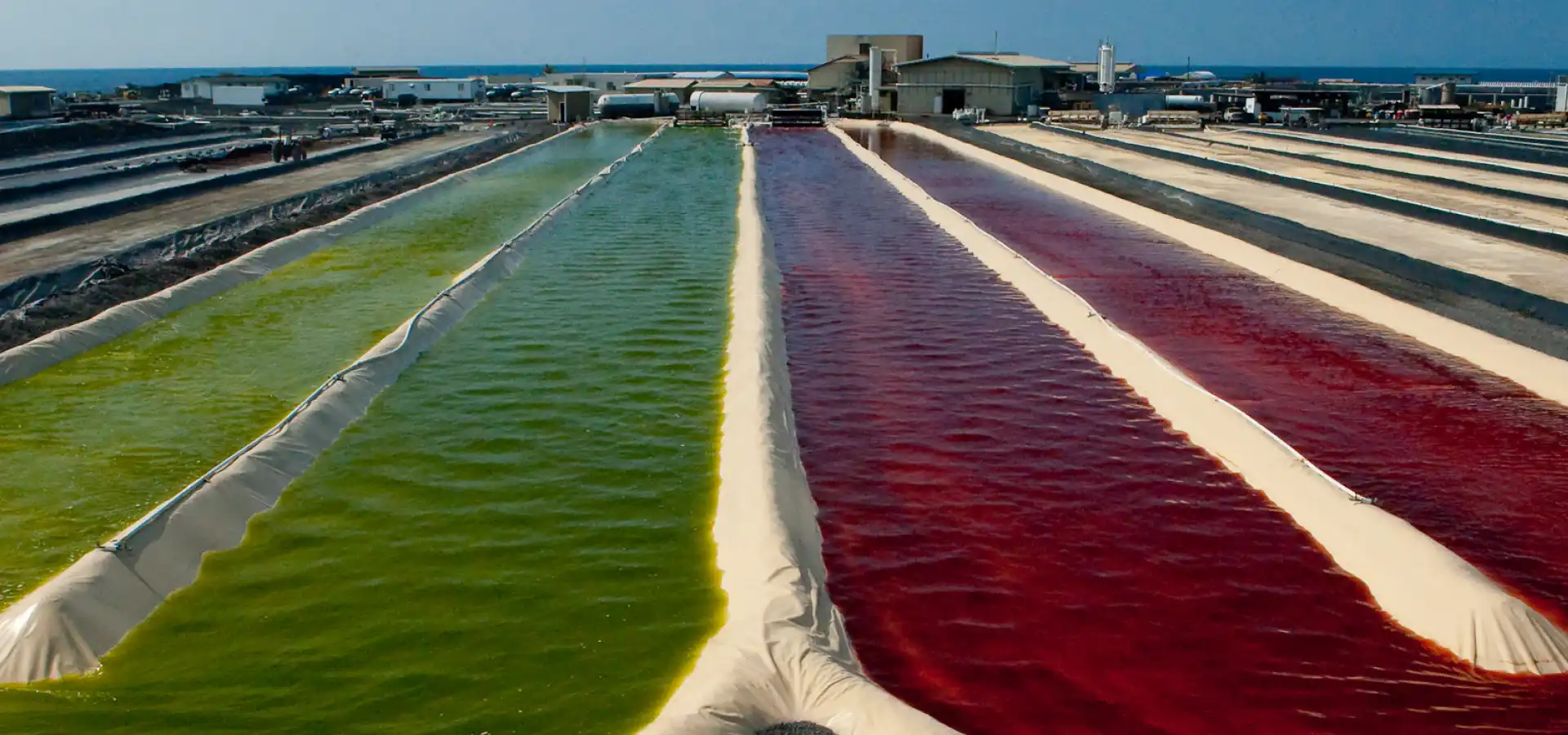
Understanding the Source: Haematococcus Pluvialis Microalgae
Haematococcus pluvialis stands as nature's wealthiest source of normal astaxanthin. This surprising microalgae flourishes in freshwater situations and produces astaxanthin as a defensive instrument against natural stress.
The green growth changes from green to profound ruddy when subjected to push conditions such as:
- High light concentrated exposure
- Nutrient exhaustion environments
- Temperature fluctuations
- Salinity changes in developing medium
During this change prepare, astaxanthin steadily gathers inside the cell dividers of Haematococcus pluvialis, coming to concentrations of up to 40,000 ppm beneath ideal development conditions. This characteristic collection instrument ensures the astaxanthin particles inside a natural lattice, which plays a key part in upgrading soundness and retention in the human body. As a result, normally sourced astaxanthin illustrates predominant bioavailability when compared with manufactured options, permitting more productive utilization in useful nourishments, dietary supplements, and other nutraceutical formulations.
Extensive inquire about shows that normal astaxanthin extricated from Haematococcus Pluvialis Oil antioxidant action around 20 times more grounded than vitamin E and up to 6,000 times more powerful than vitamin C. These extraordinary antioxidant properties empower more viable neutralization of free radicals and oxidative push at the cellular level. For producers and formulators looking for greatest antioxidant power and logically backed adequacy, astaxanthin inferred from Haematococcus offers clear focal points over engineered alternatives, especially in high-end nutraceutical and health-focused applications.
Composition Analysis: Oil vs Pure Compound
The compositional contrasts between Haematococcus Pluvialis Oil and separated astaxanthin make particular points of interest for different applications. Understanding these contrasts makes a difference producers make educated sourcing decisions.
Haematococcus Pluvialis Oil contains:
- Astaxanthin (5-10% concentration)
- Natural greasy acids (oleic, palmitic, linoleic)
- Complementary carotenoids (β-carotene, lutein)
- Phospholipids supporting bioavailability
- Natural tocopherols (vitamin E compounds)
Pure astaxanthin supplements regularly contain:
- Isolated astaxanthin (85-95% purity)
- Carrier oils (frequently synthetic)
- Stabilizing agents
- Antioxidant preservatives
Clinical ponders reliably illustrate that astaxanthin retention increments by around 3.9 times when expended nearby dietary lipids. This noteworthy enhancement is straightforwardly related to astaxanthin’s fat-soluble nature, which permits it to be more effectively transported through the stomach related framework when an fitting lipid environment is show. The characteristic oil lattice found in Haematococcus pluvialis oil inalienably gives this ideal lipid carrier, empowering improved bioavailability without the require for complex detailing techniques or extra emulsifiers. As a result, the astaxanthin remains more steady amid assimilation and is ingested more viably at the intestinal level.
From a detailing point of view, this characteristic lipid-based conveyance framework offers clear preferences for dietary supplement producers. Oil-based astaxanthin items disentangle generation forms whereas guaranteeing steady retention and execution. In differentiate, separated astaxanthin powders frequently require the expansion of outside lipid carriers or embodiment advances to accomplish comparable bioavailability. For applications where upgraded assimilation and solid adequacy are basic, oil-based astaxanthin details determined from Haematococcus pluvialis speak to a more effective and logically bolstered arrangement than non-lipid alternatives.
Bioavailability and Absorption Differences
Bioavailability represents a critical factor distinguishing these two astaxanthin sources. The natural oil matrix significantly influences how the body absorbs and utilizes the active compound.
Research data shows remarkable absorption differences:
| Parameter | Haematococcus Pluvialis Oil | Pure Astaxanthin |
|---|---|---|
| Peak plasma concentration | 2.4 hours | 4.2 hours |
| Absorption efficiency | 89% (with natural lipids) | 61% (without carrier) |
| Bioavailability index | 1.8x baseline | 1.1x baseline |
The phospholipid substance normally show in green growth oil plays a pivotal part in shaping liposomal-like structures that successfully secure astaxanthin amid assimilation. These structures act as common carriers, protecting astaxanthin from oxidative push and enzymatic debasement inside the gastrointestinal tract. By closely taking after organic cell layers, they improve compatibility with the human stomach related framework. This auxiliary advantage permits astaxanthin to be transported more productively over intestinal layers, driving to essentially predominant assimilation rates compared to definitions missing a lipid-based conveyance system.
Stability testing advance illustrates the benefits of holding astaxanthin inside its normal oil lattice. Beneath standard room-temperature capacity conditions, actually defined astaxanthin keeps up around 94% of its unique strength indeed after 24 months. This tall level of soundness reflects solid resistance to oxidation and natural corruption. In differentiate, confined astaxanthin items regularly hold as it were around 78% power beneath the same conditions, showing more noteworthy helplessness to light, oxygen, and temperature changes over time.
If long-term item solidness is required for worldwide conveyance, actually happening oil-based details give a clear advantage. These details diminish the require for broad stabilization methods, extra cancer prevention agents, or complex epitome forms. As a result, they offer more steady quality, longer rack life, and dependable execution compared to separated astaxanthin compounds utilized in worldwide supply chains.
Manufacturing Applications and Industry Uses
Different businesses incline toward particular astaxanthin shapes based on their interesting preparing prerequisites and administrative contemplations. Understanding these inclinations guides obtainment decisions.
Nutraceutical producers favor Haematococcus Pluvialis Oil because:
- Natural beginning underpins clean name claims
- Oil framework upgrades bioavailability naturally
- Multiple useful compounds make synergistic effects
- Consumer inclination for common ingredients
Pharmaceutical applications frequently utilize unadulterated astaxanthin for:
- Precise dose control requirements
- Standardized clinical testing protocols
- Regulatory endorsement processes
- Compatibility with particular conveyance systems
Cosmetic definitions advantage essentially from the consideration of common green growth oil since its adjusted greasy corrosive profile conveys included skin conditioning and moisturizing properties. These actually happening lipids back the skin obstruction, progress flexibility, and upgrade by and large skin surface, making them profitable in creams, serums, and anti-aging items. In expansion, the common antioxidant complex display in the oil works synergistically to give wide assurance against UV presentation and natural stressors such as contamination and oxidative harm. This multifunctional assurance underpins healthier-looking skin whereas adjusting with buyer request for actually inferred corrective ingredients.
Food and refreshment applications progressively indicate Haematococcus pluvialis oil due to its common beginning and amazing color steadiness. The oil-based arrange permits astaxanthin to hold its dynamic ruddy tone amid preparing and capacity, which is basic for reliable item appearance. Besides, the oil coordinating easily into utilitarian nourishments, refreshments, and dietary supplements without adversely influencing taste, smell, or mouthfeel, making definition alterations minimal.
If flexible fixing compatibility over numerous item lines is required, characteristic green growth oil is a more appropriate choice than manufactured options. Its wide usefulness bolsters utilize in makeup, nourishments, and nutraceuticals, though engineered choices regularly have constrained application ranges and detailing constraints.
Quality Standards and Certification Requirements
Quality standards vary significantly between natural algae oils and synthetic astaxanthin products. These differences impact regulatory compliance and market access globally.
Haematococcus Pluvialis Oil quality parameters include:
- Astaxanthin content verification (5-10%)
- Heavy metal contamination testing
- Microbiological safety assessments
- Pesticide residue analysis
- Fatty acid profile characterization
International certifications ensure global market acceptance:
- USDA Organic certification
- HALAL compliance verification
- KOSHER approval status
- BRC food safety standards
- FSSC22000 quality management
Testing protocols demonstrate superior purity levels in certified facilities. Heavy metal content typically measures below 10 ppm for lead and 0.1 ppm for mercury in premium grades.
Microbiological testing ensures total plate counts under 1000 CFU/g with absence of pathogenic organisms. These stringent standards exceed industry requirements for natural ingredient safety.
If you need comprehensive regulatory compliance for global distribution, then certified natural oils are more suitable than products with limited certification coverage.
Cost-Effectiveness and Supply Chain Considerations
Economic factors play crucial roles in ingredient selection for large-scale manufacturing operations. Understanding total cost implications helps optimize procurement strategies.
Cost analysis reveals important considerations:
| Factor | Haematococcus Oil | Pure Astaxanthin |
|---|---|---|
| Raw material cost per kg astaxanthin | $280-320 | $450-520 |
| Processing complexity | Moderate | High |
| Storage requirements | Standard cool/dry | Specialized conditions |
| Shipping stability | Excellent | Requires protection |
Supply chain advantages of natural algae oil include consistent availability from established cultivation facilities. Modern production methods ensure year-round supply without seasonal variations affecting quality or pricing.
Bulk packaging options reduce handling costs and minimize oxidation exposure. Standard 25kg drums provide optimal balance between shipping efficiency and product protection.
Inventory management benefits from extended shelf life characteristics. Natural oil formulations maintain stability for 36 months under proper storage conditions, reducing waste and improving cash flow.
If you need predictable supply costs with minimal inventory risk, then established natural oil sources are more suitable than synthetic alternatives with volatile pricing.
Conclusion
The choice between Haematococcus Pluvialis Oil and pure astaxanthin depends on specific application requirements, bioavailability needs, and regulatory considerations. Natural algae oil offers superior absorption, enhanced stability, and additional beneficial compounds that create synergistic effects. Pure astaxanthin provides precise dosage control but requires additional formulation steps to achieve optimal bioavailability. For manufacturers prioritizing natural ingredients, comprehensive nutrition profiles, and cost-effective processing, Haematococcus Pluvialis Oil represents the optimal choice for developing innovative products that meet evolving consumer demands.
Why Choose Avans NutriHealth for Your Haematococcus Pluvialis Oil Supply?
Avans NutriHealth Co., Ltd. stands as a trusted Haematococcus Pluvialis Oil manufacturer with proven expertise in delivering premium-quality natural astaxanthin solutions. Our advanced extraction processes ensure consistent 5% and 10% astaxanthin concentrations while maintaining the beneficial fatty acid profile that enhances bioavailability. With comprehensive certifications including ISO, USDA Organic, HACCP, FSSC22000, and HALAL, we meet the demanding requirements of global B2B clients across nutraceutical, pharmaceutical, and cosmetic industries. Contact us at Lillian@avansnutri.com to discuss your specific requirements and receive detailed product specifications.
References
1. Ambati, R.R., Phang, S.M., Ravi, S., & Aswathanarayana, R.G. (2014). Astaxanthin: sources, extraction, stability, biological activities and its commercial applications. Marine Drugs, 12(1), 128-152.
2. Capelli, B., Bagchi, D., & Cysewski, G.R. (2013). Synthetic astaxanthin is significantly inferior to algal-based astaxanthin as an antioxidant and may not be suitable for human nutraceutical and cosmetic uses. Nutrafoods, 12(4), 145-152.
3. Fakhri, S., Aneva, I.Y., Farzaei, M.H., & Sobarzo-Sánchez, E. (2019). The neuroprotective effects of astaxanthin: therapeutic targets and clinical perspective. Molecules, 24(14), 2640.
4. Higuera-Ciapara, I., Félix-Valenzuela, L., & Goycoolea, F.M. (2006). Astaxanthin: a review of its chemistry and applications. Critical Reviews in Food Science and Nutrition, 46(2), 185-196.
5. Kidd, P. (2011). Astaxanthin, cell membrane nutrient with diverse clinical benefits and anti-aging potential. Alternative Medicine Review, 16(4), 355-364.
6. Zhang, L., & Wang, H. (2015). Multiple mechanisms of anti-cancer effects exerted by astaxanthin. Marine Drugs, 13(7), 4310-4330.
_1768378293441.webp)
_1767766763708.webp)
-α-Lipoic Acid Powder.webp)