



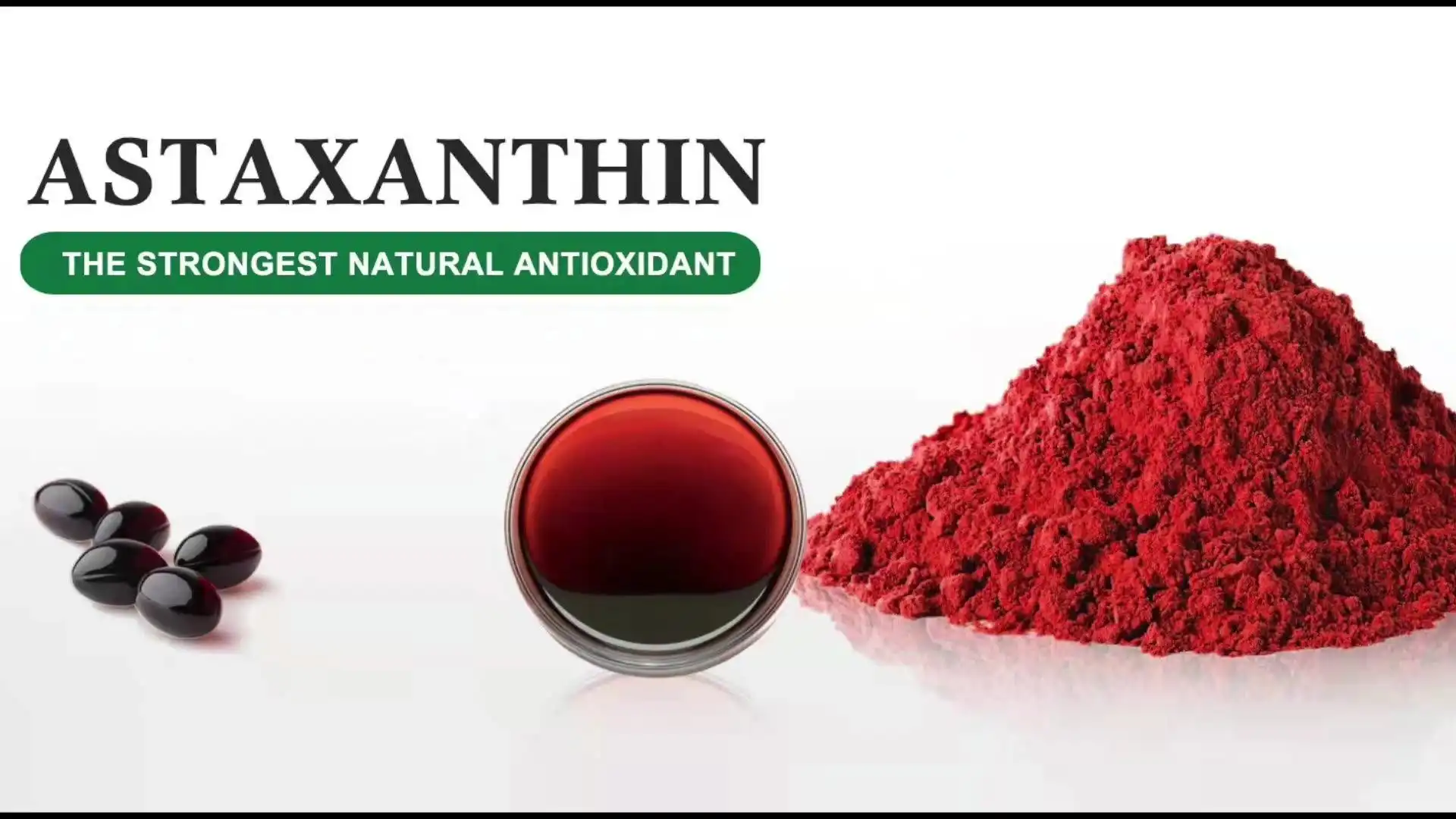
Haematococcus Pluvialis Oil stands as nature's most potent anti-aging solution, delivering extraordinary skin repair benefits through its exceptional astaxanthin concentration. This remarkable microalgae-derived oil penetrates deep into skin cells, neutralizing free radicals while stimulating collagen production for visibly younger-looking skin. Rich in powerful antioxidants and essential fatty acids, this marine biotechnology breakthrough transforms aging skin by reducing fine lines, improving elasticity, and restoring natural radiance through its unique cellular regeneration properties.
Understanding the Science Behind Natural Anti-Aging
When reactive stress is too much for our skin's natural defenses, it speeds up the aging process. Free radicals are made by things in the environment, like UV rays, pollution, and the way people live their lives. They damage cell structures. The main carotene in this special algae oil is astaxanthin, which is 6000 times more powerful than vitamin C at protecting cells from other antioxidants.
Marine biotechnology studies show that astaxanthin can cross cell membranes fully because of its special molecular structure. This position provides full defense against reactive damage that dissolves in water and in fat. Astaxanthin-rich formulations have been shown in clinical tests to make skin more moist, more elastic, and less wrinkled when used regularly.
The natural pigment in Haematococcus Pluvialis Oil that gives the oil its unique red color also helps protect against UV rays. This two-step process fixes both short-term damage from the environment and long-term cellular aging, which makes it a great choice for complete skin care routines.
Key Quality Parameters and Specifications
To be as safe and effective as possible, high-quality astaxanthin oil needs to meet certain criteria. The concentration levels are usually between 5% and 10%. The anti-aging effects are stronger at higher numbers. The liquid should be a deep red color, smell mostly like seafood, and have no obvious impurities.
Manufacturing standards are very important to how well a product works. ISO approval makes sure that quality control is maintained throughout the whole production process. Organic certification from the USDA ensures that synthetic pesticides and genetic modifications have not been used. Certifications like HACCP and FSSC22000 give you even more peace of mind about food safety rules.
The CAS number 472-61-7 shows that the astaxanthin is pure, which proves that the chemical is real. Stability testing shows that if you store something properly, it will stay active for a long time. Third-party lab testing verifies claims about concentration and purity standards, making sure that customers get products that meet the requirements.
Sustainable sourcing practices keep supply lines stable while also protecting marine ecosystems. Controlled cultivation settings get rid of the risks of contamination that come with wild-harvested alternatives, so you can always get high-quality raw materials.
Core Anti-Aging and Repair Benefits
Astaxanthin oil's antioxidant benefits help the skin in many ways and fight a number of signs of aging at the same time. Wrinkles get less noticeable when collagen production goes up, and skin suppleness goes up. Studies show that regular use of a product makes fine lines look a lot better within 6 to 8 weeks.
Skin hydration increases dramatically due to the oil's rich fatty acid profile. These important lipids strengthen the skin's barrier function, which stops water loss and keeps the skin at the right amount of moisture. A better barrier function also makes it easier to protect against environmental factors that speed up the aging process.
Anti-inflammatory qualities lessen the redness and irritation that come with having sensitive or damaged skin. This result of relaxation makes it easier for cells to repair and grow back. When inflammation goes down, collagen structures don't break down as quickly, which keeps skin firm for longer.
Astaxanthin helps cells turn over normally, so hyperpigmentation and dark spots fade over time. The natural process of cleansing makes the skin brighter and more even-toned while stopping new spots from appearing. UV protection benefits give you extra defense against sun-related skin problems and aging.
Supporting the immune system also helps skin health by making the body's natural defenses stronger. Better ways for cells to fix themselves speed up the healing process after damage from the environment and make them stronger against future stresses. This all-around method takes care of both short-term problems and long-term skin health issues.
Avans Haematococcus Pluvialis Oil vs Competitors
Avans NutriHealth Co., Ltd. stands out because it uses better extraction methods that keep the astaxanthin's full strength in Haematococcus Pluvialis Oil. Our cutting-edge factories keep the environments under tight control during output, which guarantees consistent quality that goes above and beyond what the industry requires. Modern methods of purification get rid of impurities and concentrate good chemicals.
Several foreign certifications show that we are dedicated to quality control. Certifications like BRC, HALAL, and KOSHER make markets more open to a wider range of customers. These credentials show that you've passed strict testing procedures and followed global regulatory standards, which many of your rivals can't do.
Our manufacturing capacity is up to 1,000 tons per year, which makes our supply chain stable enough for large-scale activities. This ability to make things, along with skilled workshop workers, makes sure that deliveries happen on time and that products are always available. Inventory changes and late shipments are common problems for smaller providers.
Technical help and personalized consultation services are both part of full customer support. Our research and development team works with clients to make sure that the formulations they need meet the needs of their unique applications. This level of help goes beyond just delivering products; it also includes building partnerships over time.
Competitive prices come from production methods that work well and direct relationships with manufacturers. By cutting out middleman markups, we can give high-quality goods at prices that most people can afford. Bulk quantity deals are more useful for people who buy a lot of something and need a steady supply.
Optimal Usage Methods for Maximum Benefits
When astaxanthin is used in cosmetics, the concentration and compatibility of the mixture need to be carefully thought through. For daily use, anti-aging serums usually have 0.1% to 0.5% astaxanthin oil in them. Higher concentrations work well in masks for thorough treatment or overnight repair that are used two to three times a week.
Encapsulation methods protect astaxanthin from oxidation and improve bioavailability, which is good for nutraceutical formulations. Soft gel pills are very stable and can be used to give the right amount of a supplement. Depending on your wants and health goals, the daily recommended amount of astaxanthin is between 4 mg and 12 mg.
To keep astaxanthin stable in food and drink uses, pH and temperature must be carefully thought through. Natural antioxidants protect against damage and add nutritional worth to functional foods. When compared to heat-processed options, cold-pressed products keep their full strength.
When storing something, it's best to keep it in the fridge and out of direct sunlight. Using nitrogen to flush during packing stops oxidation and makes the shelf life much longer. Proper handling methods keep the integrity of a product from the time it is made until it is used by a customer.
Regular checks should be made of the astaxanthin content and purity in Haematococcus Pluvialis Oil according to quality testing methods. Documentation with a certificate of analysis makes product specifications and safety factors clear. Testing often makes sure that all final batches work the same way.
Important Safety and Regulatory Considerations
Regulatory compliance depends on the use and location of the market. The FDA sets the rules for how nutraceuticals and makeup can be used in the US market. European rules say that new food ingredients and cosmetics safety studies need to include certain paperwork.
Asthma concerns include the possibility of seafood allergies because of the algae that grow in the ocean. To keep sensitive people from having bad reactions, product labels should make it clear what materials the product is made of. Cross-contamination prevention procedures make sure that a wide range of consumers can safely use a product.
Women who are pregnant or nursing should talk to their doctors before taking astaxanthin pills. There isn't a lot of research on taking high doses of astaxanthin while pregnant. Topical uses usually pose little risk, but it's still best to talk to a professional first.
Because it is a natural antioxidant, astaxanthin supplements rarely cause drug problems. Blood-thinning drugs may need to be closely watched because they might have effects that make things worse. Consultation with a healthcare provider guarantees safe integration with current medication plans.
Concerns for the environment include using sustainable methods of getting and requiring as little processing as possible. Controlled cultivation has less of an effect on the environment than gathering from the wild. Biodegradable packaging choices help people who care about the environment and want to protect their products at the same time.
Conclusion
The remarkable anti-aging and repair benefits of Haematococcus pluvialis oil position it as an essential ingredient for modern cosmetics and nutraceutical applications. Scientific research continues to validate astaxanthin's superior antioxidant properties and cellular protection mechanisms. Quality sourcing and proper formulation techniques maximize these natural benefits while ensuring product safety and efficacy.
Avans NutriHealth Co., Ltd. provides the expertise, quality standards, and reliable supply chain necessary for successful product development. Our commitment to excellence extends beyond manufacturing to include comprehensive customer support and technical guidance. The growing demand for natural anti-aging solutions creates opportunities for innovative formulations utilizing premium astaxanthin oil as a cornerstone ingredient.
FAQ
Q: How long does it take to see anti-aging results from astaxanthin oil?
A: Most users notice improved skin hydration within 2-3 weeks of consistent use. Visible wrinkle reduction and elasticity improvements typically appear after 6-8 weeks of regular application. Individual results vary based on skin condition, age, and product concentration.
Q: Can astaxanthin oil be combined with other anti-aging ingredients?
A: Astaxanthin oil works synergistically with vitamin C, vitamin E, and omega-3 fatty acids to enhance overall anti-aging benefits. Avoid mixing with strong acids or retinoids without proper formulation guidance. Patch testing helps identify potential sensitivity reactions.
Q: What is the difference between synthetic and natural astaxanthin?
A: Natural astaxanthin from Haematococcus pluvialis demonstrates superior bioavailability and antioxidant activity compared to synthetic alternatives. Natural forms contain additional beneficial compounds like fatty acids and other carotenoids. Synthetic versions lack these complementary nutrients and show reduced effectiveness in clinical studies.
Partner with Avans for Premium Astaxanthin Solutions
Avans NutriHealth Co., Ltd. emerges as your reliable astaxanthin oil manufacturer, delivering exceptional quality products backed by comprehensive certifications and technical expertise. Our advanced production capabilities ensure a consistent supply for your formulation needs while maintaining competitive pricing structures. Experience the difference that professional-grade astaxanthin oil makes in your product development initiatives by partnering with industry leaders who understand your requirements. Contact us at Lillian@avansnutri.com to discuss your specific application needs and discover customized solutions.
References
1. Ambati, R.R., Phang, S.M., Ravi, S., Aswathanarayana, R.G. "Astaxanthin: sources, extraction, stability, biological activities and its commercial applications—a review." Marine Drugs 12.1 (2014): 128-152.
2. Tominaga, K., Hongo, N., Karato, M., Yamashita, E. "Cosmetic benefits of astaxanthin on human subjects." Acta Biochimica Polonica 59.1 (2012): 43-47.
3. Ito, N., Seki, S., Ueda, F. "The protective role of astaxanthin for UV-induced skin deterioration in healthy people—a randomized, double-blind, placebo-controlled trial." Nutrients 10.7 (2018): 817.
4. Dose, J., Matsugo, S., Yokokura, H., Koshida, Y., Okazaki, S., Seidel, U., Eggersdorfer, M., Rimbach, G., Esatbeyoglu, T. "Free radical scavenging and cellular antioxidant properties of astaxanthin." International Journal of Molecular Sciences 17.1 (2016): 103.
5. Yamashita, E. "Astaxanthin as a medical food." Functional Foods in Health and Disease 3.7 (2013): 254-258.
6. Kidd, P. "Astaxanthin, cell membrane nutrient with diverse clinical benefits and anti-aging potential." Alternative Medicine Review 16.4 (2011): 355-364.
_1767766763708.webp)