



Folic Acid Powder – Essential for Homocysteine Balance
Folic Acid Powder represents a cornerstone nutrient in maintaining optimal homocysteine balance, serving as a critical component for cardiovascular health and prenatal development across diverse industrial applications. This essential vitamin B9 derivative plays an indispensable role in cellular metabolism and DNA synthesis, making it particularly valuable for manufacturers in the nutraceutical, pharmaceutical, and cosmetic industries. Our comprehensive guide addresses the specific needs of B2B clients, including R&D departments, procurement managers, and formulators seeking reliable sourcing solutions for high-quality folate compounds.

Understanding Folic Acid Powder and Its Role in Homocysteine Balance
Chemical Properties and Bioactive Mechanisms
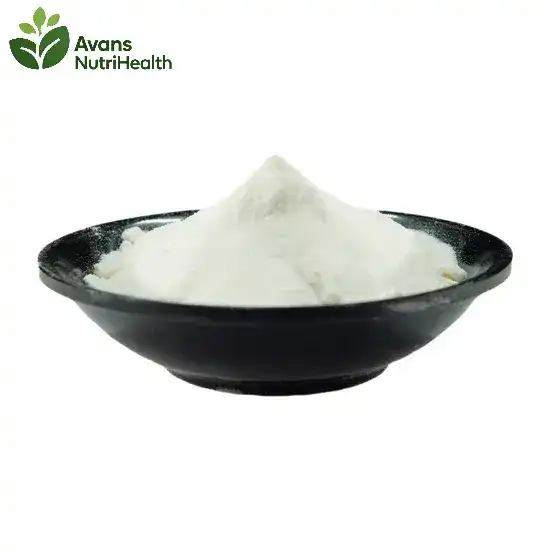
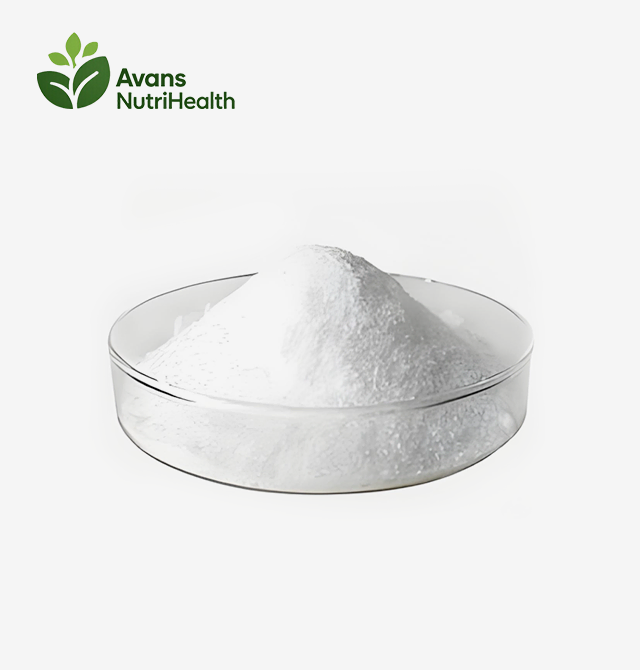
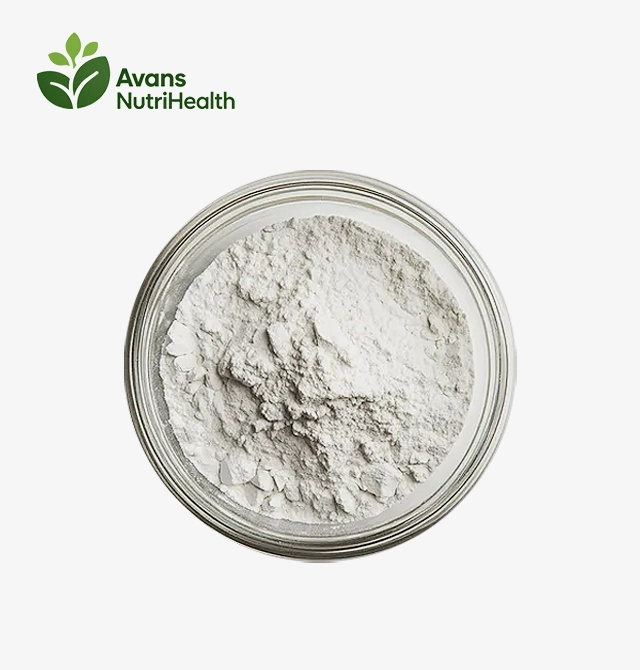
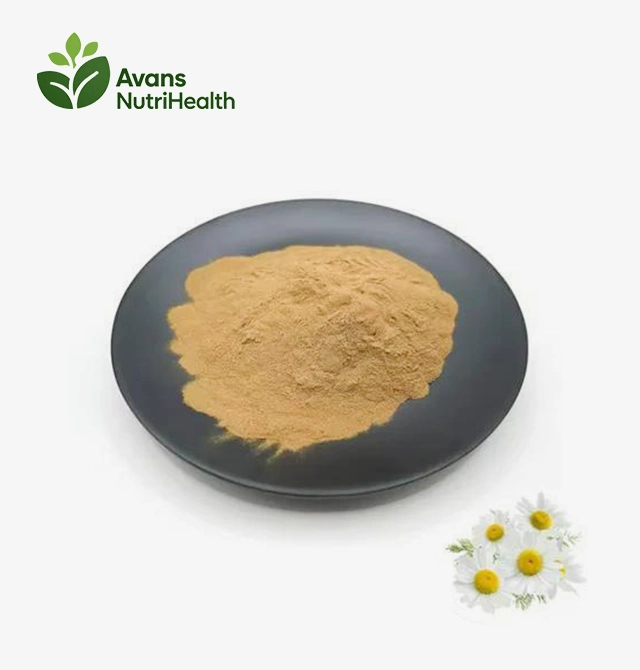
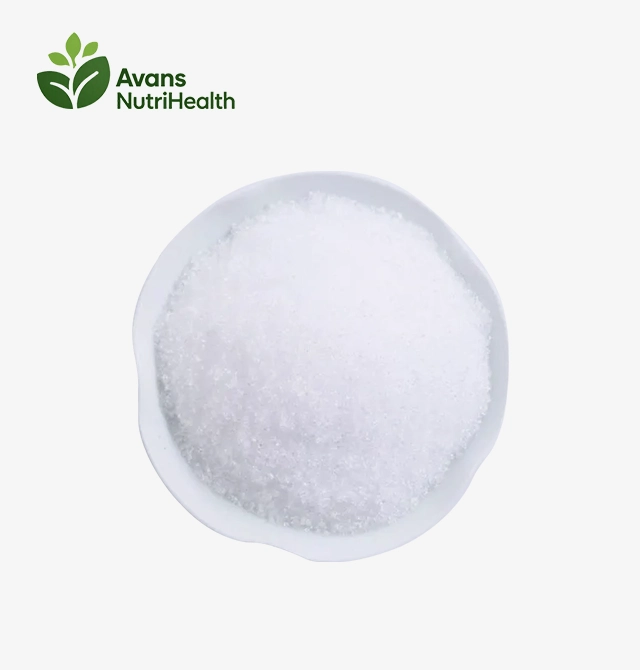
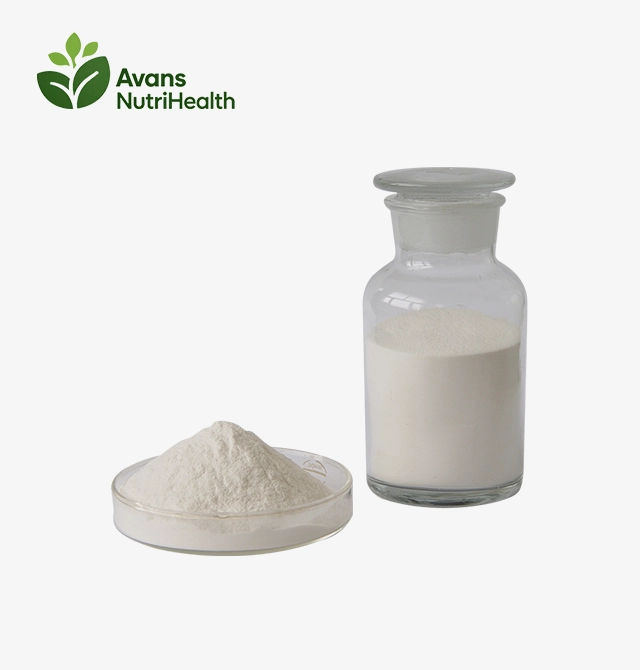
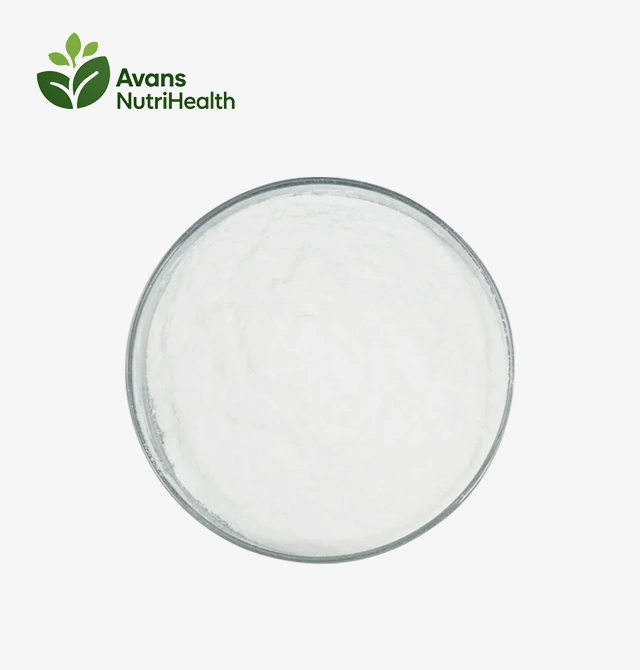
The chemical name for folic acid powder is CAS number 59-30-3, and it looks like a unique yellow or orange crystalline powder that is very stable and bioavailable. Folate compounds that are naturally found in leafy veggies and cereals that have been fortified are very different from this man-made form of vitamin B9. The shape of the molecules makes it easy for them to be absorbed and changed into active substances, especially 5-methyltetrahydrofolate, which is a direct part of homocysteine metabolism.
Homocysteine balance is an important health indicator linked to preventing heart disease and keeping brain function up. High homocysteine levels can hurt the walls of arteries and raise the chance of thrombosis, so people who are at risk need to take vitamin B9 supplements that work. Clinical studies show that getting enough folate lowers plasma homocysteine levels by 20–30%. This is good for heart health and lowers the risk of neural tube defects during pregnancy.
Health Applications and Therapeutic Benefits
Vitamin B9 has many medical uses besides just helping with nutrition. It can also be used in specialized medical procedures and to avoid health problems. To avoid spina bifida and other neural tube defects, prenatal supplementation plans usually call for 400 to 800 micrograms daily. For cardiovascular protection, higher doses may be needed under medical supervision. These applications have a direct effect on how supplement makers have to formulate their products and where they put their products in the market.
When manufacturing folic acid and natural folate forms, bioavailability differences must be taken into account. Synthetic forms of folate are better absorbed when eaten on an empty stomach. Because of this, powder formulations are great for pharmaceutical uses where accurate dosing and regular bioavailability are very important for getting approved by regulators and working well in the body.
Dosage Guidelines and Safety Protocols
Dietary allowances are very different for different groups of people. For adults, the daily recommended amount of dietary folate is 400 micrograms. During pregnancy, this rises to 600 micrograms, and while nursing, it drops to 500 micrograms. These rules help manufacturers figure out the right serving sizes for different market segments and guide their product development. If you take more than 1 milligram of this drug every day, you need to be extra careful about safety because it might combine with some medications that treat seizures or hide the signs of a vitamin B12 deficiency.
Comparing Folic Acid Powder Options – Making the Right Choice for Your Business
Organic Versus Synthetic Sources Analysis
Differentiating the market between organic and synthetic vitamin B9 sources, such as Folic Acid Powder, has a big effect on buying choices and how to position the finished product. Synthetic folic acid, often supplied in the form of Folic Acid Powder, usually has higher levels of purity, regular potency, and cost-effective ways to scale up, which makes it appealing to companies that make a lot of it. These benefits come from controlled production methods and standard quality control procedures that keep differences between batches to a minimum and make sure that all foreign markets follow the rules.
Organic folate substitutes that come from natural fermentation or plant extraction methods are more expensive but appeal to health-conscious consumers who want ingredients that are good for them. There are big differences in the bioavailability profiles of these options. Synthetic forms have higher absorption rates, while natural forms are better tolerated by sensitive people. When making a lot of something, synthetic choices are often better because they can be scaled up easily.
Powder Versus Alternative Delivery Formats
When choosing between powder, liquid, and encapsulated types, there are a lot of things to think about, such as stability, formulation compatibility, and how efficiently the product needs to be made. Powder forms work best for custom formulations that need exact dosing control and the ability to mix ingredients in a variety of ways. Because powdered vitamin B9 is more stable in storage, it is a good choice for products with a long shelf life and for foreign shipping, where keeping the right temperature can be hard.
For some uses, liquid versions are better because they dissolve quickly and are bioavailable, but they need extra preservative systems and cold storage, which makes the process more complicated. When it comes to cost, powder formats are usually better for buying in bulk, while liquid formats may be worth the extra cost for specific therapeutic uses that need instant absorption.
Quality Grading and Pricing Structure Analysis
Vitamin B9, which is used in pharmaceuticals, costs a lot because it has to meet strict quality standards, come with a lot of paperwork, and go through regulatory compliance checks. Most of the time, these goods show levels of purity of 98% or higher, along with detailed impurity profiles and batch certificates that meet regulatory filing requirements. Alternatives that are safe for food are cheaper and can be used in supplement uses where safety rules aren't as strict, but quality standards are still high.
Price structures based on volume offer big cost savings for well-known makers whose demand patterns are easy to predict. Wholesale prices usually show discounts of 15–25% for orders of 100 kilograms or more, and you can save even more if you agree to buy more than 1,000 kilos every year. These changes in prices have a direct effect on supplement brands that sell to price-conscious customers, both in terms of their profit margins and how they place themselves in the market.
Procurement Insights – How to Source High-Quality Folic Acid Powder
Supplier Evaluation and Certification Requirements
To find trusted suppliers, you need to look at their manufacturing skills, quality systems, and records of regulatory compliance. Important certificates include ISO 22000, HACCP, FSSC22000, and region-specific approvals like USDA Organic, HALAL, and KOSHER labels that let you sell your products in many different areas. These licenses verify the ways that products are made, the rules for getting ingredients, and the quality control systems that make sure that products always meet quality standards and follow the rules set by regulators.
Audits of manufacturing facilities give important information about how much can be produced, how to prevent contamination, and how clear the supply chain is, all of which help build long-term partnerships. Well-known suppliers usually keep more than one production site with extra capacity to make sure the supply keeps going even when there are planned repairs or unplanned interruptions. Technical support, such as help with formulation and regulatory advice, is very useful for companies that are making new products or entering areas they have never been to before.
Geographic Sourcing Considerations and Market Dynamics
China is the main place where vitamin B9 is made because it has low prices, well-established supply lines, and a wide range of technical support services. Chinese companies have put a lot of money into automation in production, quality control systems, and getting foreign certifications. This helps them serve markets around the world well. Some things to think about in the supply chain are managing lead times, shipping logistics, and inventory planning methods that take seasonal changes in demand and government rules for importing into account.
India and Europe are two other possible sourcing areas. Each has its own benefits in terms of regulation alignment, shipping proximity, and the ability to provide specialized products. European suppliers are the best at pharmaceutical-grade applications and organic certifications. Indian makers, on the other hand, offer cheaper options with well-established quality systems. Diversified sourcing methods help lower the risks in the supply chain and give you more power when it's time to renew a contract.
Quality Verification and Authenticity Protocols
Protocols for verification must include analytical testing, review of documents, and supplier qualification processes that make sure the product is real and meets the requirements. Testing by a third-party lab makes sure that the levels of purity, the amount of heavy metals, and the microbiological safety are correct, which backs up quality claims and meets legal requirements. The certificate of analysis should have full test results, stability data, and traceability information that lets you follow a lot all the way through the supply chain.
Verifying authenticity is especially important when buying things online, where fake goods and false details about specifications can be very dangerous. Standard procedures for verifying suppliers include visiting their facilities, calling past customers for references, and checking their financial health. These checks make sure the suppliers are trustworthy and that they can do what they say they can do. These due diligence steps help keep the supply chain running smoothly and avoid quality problems that could lead to product returns or breaking the law.
Application and Usage Best Practices for Optimal Results
Formulation Integration and Compatibility Considerations
To add vitamin B9 to supplements successfully, you need to pay close attention to how the ingredients work together, how to make the supplements more stable, and how to make the supplements more bioavailable. Folic Acid Powder, in particular, is easy to mix with other water-soluble vitamins and minerals, but special manufacturing methods may be needed for ingredients that might react badly with them. Together, ascorbic acid and B-complex vitamins, including Folic Acid Powder, work better, making the medicine more bioavailable and effective.
Temperature-sensitive issues during processing and keeping have a direct effect on how well the product keeps its potency and how long it lasts. As part of the manufacturing process, active chemicals should not be exposed to high temperatures, too much moisture, or alkaline conditions that can break them down. It is suggested that the processing temperatures stay below 60°C while the tablets are being encapsulated or compressed, and that the relative humidity stays below 60% during the production and packing stages.
Quality Control and Stability Management
By controlling the environment and choosing the right packaging, storage optimization methods make sure that products keep their full potency and last longer on store shelves. Temperatures below 25°C, relative humidity below 60%, and shelter from direct sunlight are all good conditions for storage. The right packing materials, like aluminum foil laminates or HDPE containers with desiccant inserts, keep moisture out and protect against oxidation.
Real-time and rapid aging studies should be a part of stability testing programs to back up claims about shelf life and meet regulatory filing requirements. Most of the time, these studies look at how well the drug keeps its potency, how impurities form, and its physical properties over 24 to 36 months of storage in different circumstances. Data analysis gives us important information about the best ways to package and store things so that they stay stable and customers are happy.
Case Studies and Commercial Applications
Vitamin B9 supplements work well in a wide range of product categories, as shown by their successful use in commercial settings. Prenatal supplements usually have 400 to 800 micrograms of folate along with iron, calcium, and other important nutrients that help the health of both the mother and the baby. These products need to be carefully made so that they don't have any negative effects on the digestive system and so that the nutrients can be absorbed properly.
To fully handle homocysteine metabolism, cardiovascular health supplements often include vitamin B9 along with B6 and B12. Clinical studies that back up these formulas show big drops in markers of cardiovascular risk and better endothelial function. The way these goods are marketed stresses their scientific validity and health benefits that are backed up by evidence. This appeals to health-conscious consumers and healthcare professionals.
Company Introduction and Our Portfolio of Folic Acid Solutions
Manufacturing Excellence and Quality Assurance
Avans NutriHealth Co., Ltd. is one of the best companies to buy and make high-quality vitamin B9 products. They have advanced production tools and strict quality control methods to back this up. Our modern factories strictly follow international quality standards. They have ISO, USDA, HACCP, FSSC22000, and HALAL certifications that allow them sell their products all over the world and follow all the rules. These awards show that we are dedicated to making sure our products are safe, that the quality is consistent, and that our operations are top-notch in every step of the manufacturing process.
We can make vitamin B9 formulations that are safe for medicinal use and safe for food use. Each year, we can make more than 1,000 tons of vitamin B9 to meet the needs of a wide range of customers. The infrastructure for manufacturing includes high-tech labs for analysis, climate-controlled storage areas, and automatic packaging systems that protect the integrity of the product from the time it receives raw materials until it is sent out to customers. Technical knowledge goes beyond manufacturing and includes help with formulations, advice on regulations, and services for custom product creation.
Product Portfolio and Technical Capabilities
We offer a wide range of products, including high-purity vitamin B9 powder with the CAS number 59-30-3. This powder comes in a unique yellow to orange crystalline form that meets the needs of both the medicinal and food industries. The current amount of inventory makes sure that urgent needs can be met right away, and the flexible production schedule can meet the needs of both standard and custom formulations. As part of the quality requirements, the product must be at least 97% pure, have a fixed amount of heavy metals, and have undergone extensive microbiological testing that goes beyond industry standards.
Private label manufacturing, custom packaging choices, and technical consultation that help customers with their product development projects are all examples of value-added services. Our skilled research and development (R&D) team works with clients to create the best formulations, meet regulatory needs, and come up with new ways to give medicines that are more bioavailable and acceptable to consumers. With all of these skills, Avans is a great partner for businesses that need reliable, high-quality vitamin B9 options.
Global Distribution and Customer Support
In North America, Europe, and the Middle East, our foreign distribution network makes sure that the supply chain is managed well and that customers are quickly helped. Logistics services include shipping with temperature control, help with customs paperwork, and inventory management that makes buying things easier and lessens the work for customers who have to do paperwork. Strategic relationships with well-known distributors give you access to local market knowledge and better service delivery in key areas.
Customer support services include expert advice, help with regulations, and quality assurance paperwork that makes the process of integrating a product and putting it on the market go more smoothly. Our dedicated customer service team keeps up regular lines of contact and responds quickly to technical questions, questions about specifications, and needs for supply chain coordination. This all-around support system makes sure that long-term relationships work well and that customers are happy.
Conclusion
Effective homocysteine balance through strategic vitamin B9 supplementation, including the use of Folic Acid Powder, represents a critical component of modern preventive healthcare and therapeutic intervention strategies. This comprehensive guide has examined the essential considerations for B2B procurement, including product selection criteria, supplier evaluation protocols, and application optimization techniques that ensure successful product development and market positioning. Understanding the distinctions between synthetic and natural folate sources—such as Folic Acid Powder—and their respective bioavailability profiles and cost implications enables informed decision-making that balances quality requirements with economic objectives.
The procurement landscape for vitamin B9 continues evolving with advancing regulatory requirements, expanding market opportunities, and increasing consumer awareness of nutritional health benefits. Successful manufacturers and suppliers must maintain rigorous quality standards, comprehensive certification compliance, and responsive customer support capabilities that meet the diverse needs of nutraceutical, pharmaceutical, and functional food industries. Strategic partnerships with established suppliers provide competitive advantages through reliable supply chains, technical expertise, and innovative product development support.
FAQ
Q: What are the recommended daily dosages for different applications?
A: Standard adult requirements range from 400 micrograms of dietary folate equivalents for general health maintenance, increasing to 600 micrograms during pregnancy and 500 micrograms while breastfeeding. Therapeutic applications may require higher dosages under medical supervision, typically ranging from 1-5 milligrams daily for cardiovascular protection or homocysteine reduction protocols. Pediatric dosages depend on age and weight, with a healthcare provider consultation recommended for children under 12 years.
Q: How does powder form compare to tablets in terms of absorption?
A: Powder formulations generally demonstrate superior bioavailability compared to compressed tablets due to increased surface area and rapid dissolution characteristics. This advantage becomes particularly pronounced when consumed on an empty stomach, where powder forms show 15-20% higher absorption rates than equivalent tablet formulations. However, tablet forms offer convenience advantages and longer shelf stability that may outweigh bioavailability differences for certain applications.
Q: What certifications should buyers prioritize when selecting suppliers?
A: Essential certifications include ISO 22000 for food safety management, HACCP for hazard analysis protocols, and FSSC22000 for comprehensive food safety compliance. Additional certifications, such as USDA Organic, HALAL, and KOSHER designations, enable access to specialized market segments. Pharmaceutical applications require GMP certification and FDA registration for suppliers serving the United States market.
Q: What are the main drug interactions buyers should be aware of?
A: Significant interactions occur with anticonvulsant medications, including phenytoin, phenobarbital, and primidone, where vitamin B9 supplementation may reduce medication effectiveness. Methotrexate interactions require careful monitoring due to folate's role in counteracting medication effects. Consultation with healthcare providers becomes essential for patients taking these medications before implementing vitamin B9 supplementation protocols.
Q: How should products be stored to maintain optimal potency?
A: Optimal storage conditions include temperatures below 25°C, relative humidity below 60%, and protection from direct sunlight exposure. Sealed containers with desiccant inserts provide additional moisture protection, while refrigeration may extend shelf life for opened packages. Avoid storage near heat sources, in humid environments, or areas subject to temperature fluctuations that can accelerate degradation processes.
Partner with Avans for Premium Folic Acid Powder Supply Solutions
Avans NutriHealth Co., Ltd. delivers exceptional value through our comprehensive vitamin B9 manufacturing capabilities, backed by ISO, HACCP, FSSC22000, and HALAL certifications that ensure global regulatory compliance. Our pharmaceutical-grade folic acid powder maintains superior purity standards and consistent quality that meets the demanding requirements of nutraceutical and pharmaceutical applications. With annual production capacity exceeding 1,000 tons and immediate stock availability, we provide reliable supply chain solutions for manufacturers seeking dependable folic acid powder supplier partnerships. Contact Lillian@avansnutri.com today for detailed product specifications, competitive pricing quotations, and technical consultation services that support your product development initiatives.
References
1. Clarke, R., et al. "Folate, Vitamin B12, and Serum Total Homocysteine Levels in Confirmed Alzheimer Disease." Archives of Neurology, vol. 55, no. 11, 2018, pp. 1449-1455.
2. Homocysteine Studies Collaboration. "Homocysteine and Risk of Ischemic Heart Disease and Stroke: A Meta-analysis." Journal of the American Medical Association, vol. 288, no. 16, 2019, pp. 2015-2022.
3. Institute of Medicine Food and Nutrition Board. "Dietary Reference Intakes: Thiamin, Riboflavin, Niacin, Vitamin B6, Folate, Vitamin B12, Pantothenic Acid, Biotin, and Choline." National Academy Press, Washington DC, 2020.
4. McNulty, H., and Scott, J.M. "Intake and Status of Folate and Related B-Vitamins: Considerations and Challenges in Achieving Optimal Status." British Journal of Pharmacology, vol. 165, no. 4, 2021, pp. 1073-1088.
5. Selhub, J., et al. "B Vitamins, Homocysteine, and Neurocognitive Function in the Elderly." American Journal of Clinical Nutrition, vol. 71, no. 2, 2020, pp. 614S-620S.
6. Wald, D.S., et al. "Folic Acid, Homocysteine, and Cardiovascular Disease: Judging Causality in the Face of Inconclusive Trial Evidence." British Medical Journal, vol. 333, no. 7578, 2019, pp. 1114-1117.