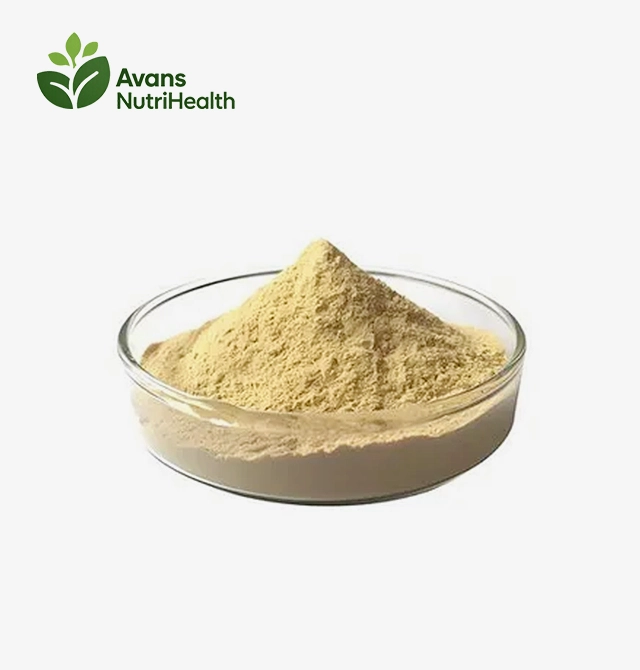




Diclazuril Powder stands as a premier anticoccidial agent specifically engineered to combat coccidiosis in poultry operations. This powerful veterinary medication delivers exceptional protection against protozoal infections, helping poultry producers maintain healthy flocks while maximizing productivity. Our high-purity formulation, with ≥98% active ingredient concentration, provides reliable coccidiosis prevention and treatment across various poultry species. The anticoccidial properties of this compound make it an indispensable tool for modern poultry disease management, offering both therapeutic and prophylactic benefits.
Understanding Key Parameters and Quality Indicators
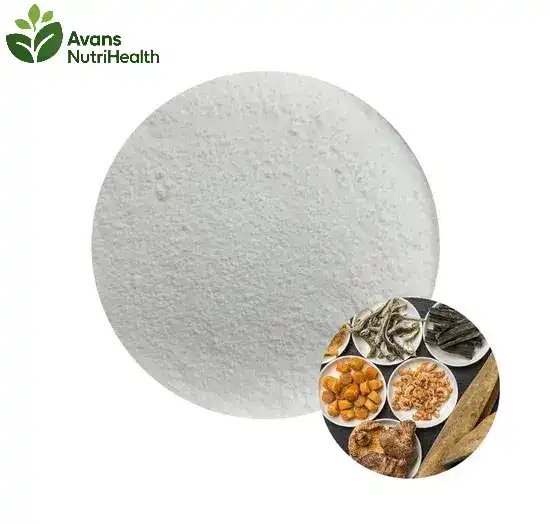
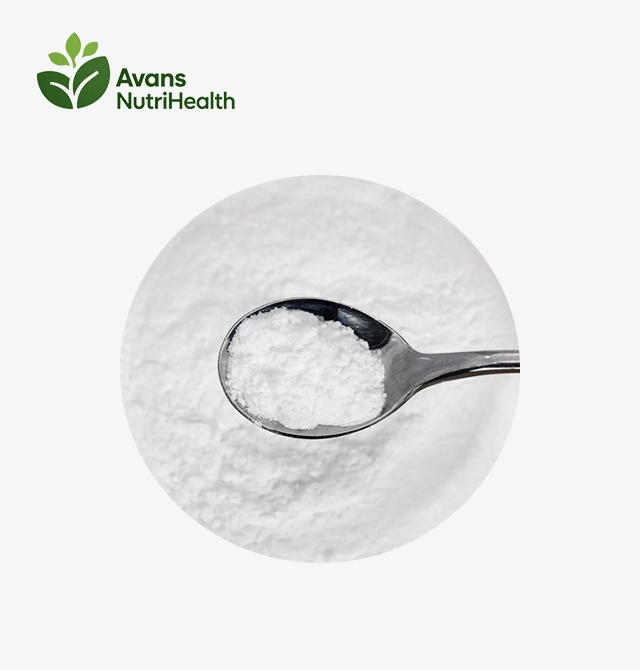
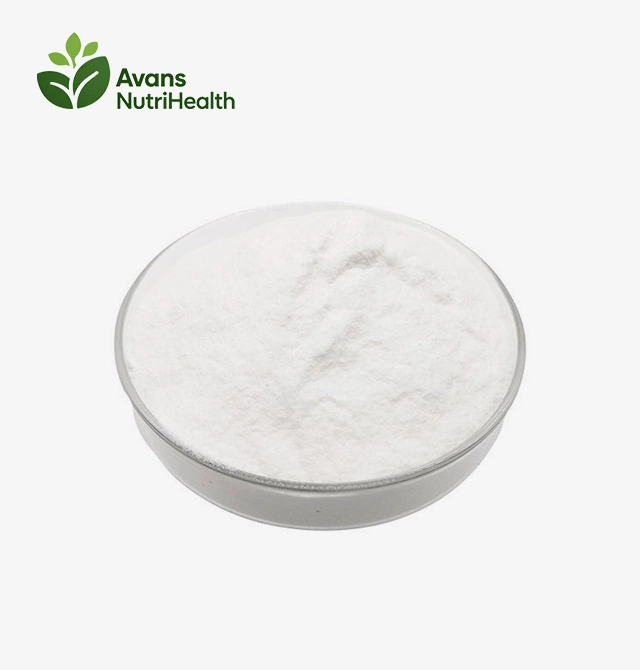
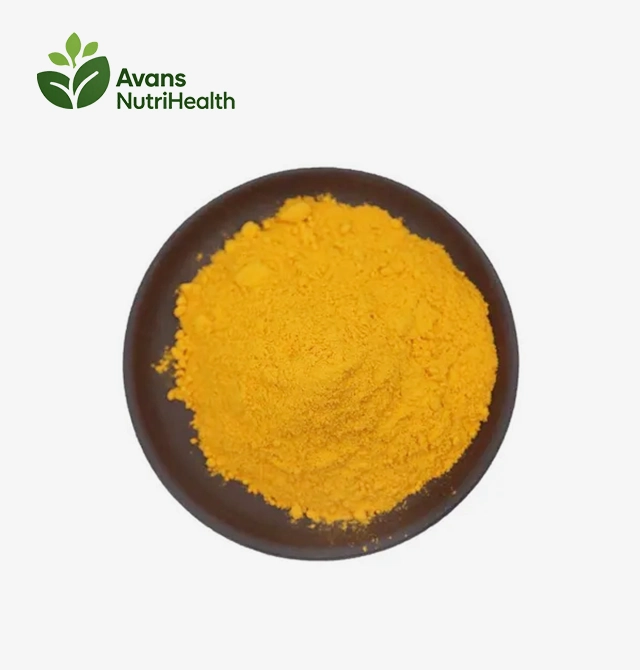
When looking at anticoccidial agents for poultry farms, a few important factors decide how well and how reliably the product works. Our diclazuril formulation meets strict pharmaceutical standards and has a purity level higher than 98%, which guarantees reliable therapeutic results. The powder is a crystalline material that ranges in color from almost white to light yellow. It is very stable when stored properly.
The molecular weight of 405.67 g/mol and the CAS number 101831-37-2 prove that our product is what it says it is and that it is real. The particle size distribution stays the same, which makes mixing easier in feed premix uses. The compound's ability to dissolve in water makes it easier for birds to absorb it, and its temperature stability makes sure it stays active during feed processing.
We make sure that the total amount of moisture in Diclazuril Powder is less than 0.5%, that the concentration of heavy metals is below what is allowed in pharmaceuticals, and that there are no harmful pathogens present through rigorous microbiological tests. These stringent quality control measures ensure that Diclazuril Powder meets the highest industry standards. As a result, veterinarians can rely on this anticoccidial powder for effective and consistent use in demanding business environments, ensuring both safety and efficacy for animal health management.
Core Benefits of Diclazuril in Poultry Disease Management
The main benefit of using diclazuril in chicken health programs is that it works specifically against the Eimeria species that cause coccidiosis outbreaks. This anticoccidial agent stops the parasitic life cycle at key times of development. This stops the oocyst from sporulating and lowers the amount of pollution in the environment.
When compared to controls that were not given this medicine, broiler chickens that were given it show huge improvements in their weight gain and feed conversion rates. Research shows that using it as a preventative measure can cut the death rate in birds that are in danger by up to 85%. The chemical is very well distributed in tissues and reaches therapeutic levels in the intestines, which is where coccidia usually cause infections.
Diclazuril is different from some other standard anticoccidials because it still works against drug-resistant strains of Eimeria. This quality is very helpful for operations that have trouble with normal treatments. The medicine also helps the birds' natural immune systems grow, which lets them build up protective reactions while keeping diseases from showing up.
The economy gains in more ways than just improving health. Commercial poultry businesses can make more money overall by cutting down on veterinary costs, making feed more efficient, and making sure that production is more uniform. Because it works on a lot of different species of Eimeria, it makes treatment plans easier and gets rid of the need for complicated cycle plans.
Avans Diclazuril Powder: Superior Quality and Reliability
Our method of producing Avans Diclazuril Powder stands out from other products on the market because we utilize advanced production technologies and adhere to strict quality control protocols. In the synthesis of Diclazuril Powder, we use only pharmaceutical-grade raw materials sourced from certified suppliers, ensuring the utmost purity and consistency. This meticulous approach guarantees that each batch of Diclazuril Powder maintains the same high quality, providing veterinarians and animal health professionals with a reliable and effective anticoccidial solution. By continuously improving our techniques and maintaining rigorous standards, we deliver a premium Diclazuril Powder that meets the demands of modern veterinary practices.
We are committed to meeting global legal standards, as shown by our international certifications such as GMP, ISO, BRC, HALAL, and KOSHER. These qualifications give procurement managers and formulators who work in tightly regulated markets peace of mind. At our location, we keep the temperature stable and use high-tech analytical tools to keep an eye on quality all the time.
Particle engineering technology makes powders with uniform qualities that make them easier to mix and more bioavailable. The improved crystal structure makes the material more stable and less likely to break down when it is stored or handled. Each package comes with a lot of paperwork, like Certificates of Analysis, Material Safety Data Sheets, and proof that the regulations have been followed.
In addition to delivering products, customer support includes technical help for formula creation and application optimization. Our research and development team works with clients to create custom solutions that meet their specific operational needs and legal responsibilities.
Optimal Usage Strategies for Maximum Efficacy
To achieve optimal results from anticoccidial therapy with Diclazuril Powder, it is essential to pay close attention to the timing, dosing, and methods of administration. Diclazuril Powder should be incorporated into feed at a recommended inclusion rate of 1 to 2 mg per kilogram, depending on the risk of coccidial infection and the age of the birds. Younger birds, whose immune systems are still developing and who are more susceptible to disease, often require higher concentrations of Diclazuril Powder for effective protection. Careful adherence to these guidelines ensures that the use of Diclazuril Powder maximizes its efficacy in preventing and controlling coccidiosis, supporting the health and productivity of poultry flocks.
Timing is very important for preventing coccidiosis. Medication should start before the estimated exposure times, which for broiler chickens is usually during their second week of life. Consistent protection against field problems comes from continuous management during the growing time. Due to differences in how susceptible different species are, operations in Turkey may need to change their practices.
When you mix the feed the right way, it stays evenly distributed throughout the amount. By pre-mixing with a small amount of feed, a concentrated blend is made that spreads out more evenly during the final stages of mixing. Medicated feed should be kept in a cool, dry place to keep its effectiveness and stop it from breaking down.
Monitoring programs help figure out how well a treatment is working and spot any signs of resistance. Regularly collecting feces and counting oocysts are objective ways to find out how many parasites are present. Productivity measures, such as weight gain, feed conversion, and mortality rates, give program managers more ways to evaluate and improve their work.
Conclusion
Diclazuril powder represents a cornerstone technology for effective coccidiosis management in modern poultry operations. The compound's proven efficacy against multiple Eimeria species, combined with excellent safety profiles and economic benefits, makes it an essential tool for livestock health professionals. Avans NutriHealth's commitment to quality manufacturing and technical support ensures that our clients receive reliable, effective products that contribute to sustainable poultry production. By implementing proper usage protocols and monitoring strategies, producers can maximize the benefits of this powerful anticoccidial agent while maintaining regulatory compliance and operational efficiency.
FAQ
Q: How quickly does diclazuril show effects against coccidiosis in poultry?
A: Clinical improvement typically becomes apparent within 3-5 days of treatment initiation. The medication begins disrupting parasitic reproduction immediately, with noticeable reductions in oocyst shedding occurring within 48-72 hours. Complete therapeutic response may require 7-10 days, depending on infection severity.
Q: Can diclazuril be used in organic poultry production systems?
A: Diclazuril use in organic systems depends on specific certification requirements and regional regulations. Most organic standards restrict synthetic anticoccidials, though emergency therapeutic use may be permitted under veterinary supervision. Consultation with certification bodies ensures compliance with applicable standards.
Q: What withdrawal periods apply when using diclazuril in food-producing poultry?
A: Withdrawal periods vary by country and specific product formulation. Generally, a 5-day withdrawal period applies for meat production, while egg withdrawal may require 7-10 days. Always consult local veterinary authorities and product labeling for specific requirements in your jurisdiction.
Partner with Avans for Premium Anticoccidial Solutions
Avans NutriHealth stands ready to support your poultry health management needs with our superior diclazuril powder formulation. As a leading manufacturer in the veterinary pharmaceutical sector, we combine advanced production capabilities with comprehensive technical support to deliver exceptional value to our clients. Our commitment to quality excellence and regulatory compliance ensures you receive products that meet the highest industry standards. Contact us at Lillian@avansnutri.com to discuss your specific requirements and discover how our anticoccidial solutions can enhance your operation's productivity and profitability.
References
1. Chapman, H.D., Jeffers, T.K., and Williams, R.B. (2010). Forty years of monensin for the control of coccidiosis in poultry. Poultry Science, 89(9), 1788-1801.
2. Quiroz-Castañeda, R.E. y Dantán-González, E. (2015). Control of avian coccidiosis: future and present natural alternatives. BioMed Research International, 2015, 430610.
3. Blake, D.P., Knox, J., Dehaeck, B., Huntington, B., Rathinam, T., Ravipati, V., and Tomley, F.M. (2020). Re-calculating the cost of coccidiosis in chickens. Veterinary Research, 51(1), 115.
4. Peek, H.W. and Landman, W.J. (2011). Coccidiosis in poultry: anticoccidial products, vaccines, and other prevention strategies. Veterinary Quarterly, 31(3), 143-161.
5. Williams, R.B. (1999). A compartmentalised model for the estimation of the cost of coccidiosis to the world's chicken production industry. International Journal for Parasitology, 29(8), 1209-1229.
6. Dalloul, R.A. and Lillehoj, H.S. (2006). Poultry coccidiosis: recent advancements in control measures and vaccine development. Expert Review of Vaccines, 5(1), 143-163.

_1767766763708.webp)