




DHA Powder for Infant Nutrition and Development
DHA Powder is a big step forward in baby food because it gives makers and formulators a steady form of docosahexaenoic acid that the body can use. This acid is important for brain and eye development. Because it doesn't change the taste or smell of the food and mixes well with other ingredients, this microencapsulated omega-3 fatty acid solves some of the most important problems that come up when making baby formula. It's very important for procurement workers who want to stay competitive in the market and provide better nutrition to know the technical details, sourcing strategies, and regulatory requirements of DHA supplementation. This is because the demand for high-quality infant nutrition goods keeps going up.
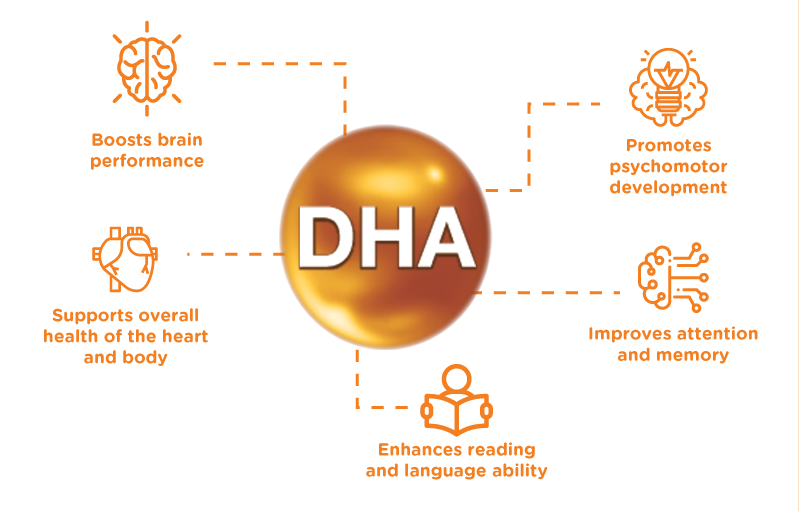
Understanding DHA Powder and Its Role in Infant Development
DHA Powder emerges as a sophisticated functional ingredient engineered through microencapsulation technology, transforming liquid docosahexaenoic acid into a free-flowing, water-dispersible powder. This transformation addresses fundamental challenges that liquid omega-3 oils present in manufacturing environments, particularly oxidative instability and sensory degradation that can compromise product quality and consumer acceptance.
The Science Behind DHA and Infant Brain Development
During the last three months of pregnancy, docosahexaenoic acid quickly builds up in the brain of a baby. It stays there for the first few months of life. Polyunsaturated fatty acids make up about 40% of the gray matter in the brain and 60% of the photoreceptors in the eye. When the brain is growing quickly, it's very important to get enough of this omega-3 fatty acid. Studies on real babies show that babies whose formula has DHA added see better than babies whose formula does not have DHA added. More than one research center took part in the Birch study. At 17 weeks of age, tests showed that the groups that were given DHA had better eye function. These results show how important it is for companies that make baby food to use good sources of DHA.
Technical Advantages of Powder Formulation
During the microencapsulation process, DHA oil, which doesn't like water, is changed into a structure that is covered by modified starch, whey protein, or casein, which do like water. The plan of this building has a number of technical benefits that are needed for industrial production. The sealing material keeps air out a lot, which means the shelf life goes from a few months to about two years if it is kept correctly. If you don't use liquid fish or algae oils, you won't have to deal with the problems that people have with taste and smell. These sense qualities are kept hidden by the protective shell, which also keeps the food's nutritional value. This lets companies make foods that are good for people and also taste good to them.
Selecting the Right DHA Powder for Infant Nutrition: A Rational Choice Approach
When it comes to DHA Powder, buyers today have a lot of options. Based on the needs of the application and the likes of the audience, each one has its own pros. You can make smart decisions about where to buy things that are best for both cost and usefulness if you know about these differences.
Source Material Considerations
DHA powder made from algae is great for babies for a lot of reasons. Because Schizochytrium algae are grown in controlled environments, there are no worries about heavy metals, PCBs, and microplastics that could be in the water and affect options that come from the ocean. It is important for products used on kids that the quality and purity levels stay the same after being made in this organized setting. People who are veggie or vegan really like algae sources, which means that businesses that want to reach health-conscious people can reach more people. Also, DHA from algae doesn't oxidize as easily as DHA from fish, so it's less likely to go bad while being stored or processed.
Certification and Quality Standards
Many certificates from other countries make it easy for companies that sell premium DHA powder to sell their goods around the world. Some people like organic produce because they want natural foods that haven't been touched much. Businesses can reach people of certain faiths who have a lot of buying power by getting HALAL and KOSHER approval. When a business is certified by the British Retail Consortium (BRC), it means that they follow strict rules for food safety. This gives peace of mind to farmers who sell their goods in Europe, where the law is very strict. The service put a lot of money into quality systems to get these certifications, which show that they are serious about maintaining uniform production standards.
Particle Engineering and Functionality
Advanced DHA Powder formulas get the best results by creating particles in a very complicated way. The particles are between 150 and 300 microns in size. This keeps the nutrients from separating while the product is being shipped or stored, which could make it less stable. The most important quality indicator is a surface free oil content of less than 1%; higher levels speed up oxidation and taste degradation. To meet these strict standards, the best service providers use the most up-to-date spray-drying techniques and the right amount of wall materials.
Ensuring Safe and Effective Use of DHA Powder in Infant Nutrition Products
When you add DHA Powder to baby formula, you need to think carefully about how it is processed, stored, and how quality is checked to make sure that the nutritional value and safety standards stay high. Because the people who buy these things can't do anything about it, they become even more important.
Processing Integration Strategies
For most uses of baby formula, dry blending is better than wet mixing because wet mixing could affect the heat stability of later steps in the process. To make the base recipe work better, the powder form lets the oil be spread out evenly and doesn't cause the phase separation issues that happen when liquid oil is added. It needs to be closely watched during processing because it is very sensitive to temperature changes. Flash pasteurization at temperatures up to 85°C is safe for short periods of time for good DHA powder mixes. But high temperatures for long periods of time can ruin their taste and nutritional value.
Storage and Stability Management
There is a big difference between how stable DHA Powder is and how long it lasts. If you keep the temperature below 25°C and the relative humidity below 60%, water can't soak in. If it does, it could cause a reactive breakdown or germs to grow. These things are even more important if you live in a warm area where the temperature and humidity are higher than ideal. Picking the right packing is very important if you want to keep the goods' freshness. Films with multiple layers that stop air and water help food stay fresh longer and avoid getting infected. Even less oxidative stress is created when nitrogen is flushed through the packing process. This makes sure that the food stays healthy throughout the whole shipping process.
Regulatory Compliance and Safety Protocols
The FDA has rules about what can be put in baby formula. These rules say how much DHA vitamins can be used and how they should be tested to make sure they are safe. Current rules say that DHA shouldn't make up more than 0.5% of total fatty acids. This is based on the amount that is usually found in human breast milk. The European Food Safety Authority (EFSA) has rules that are similar, but they need to know more about how goods are made and how quality is checked. By following these international rules, you can be sure that many people will buy your goods, and it also shows that you care about the health and safety of babies.
Market Insights and Procurement Strategies for DHA Powder in the Infant Nutrition Sector
The market for baby food is growing very quickly around the world, especially in developed economies that focus on high-end marketing campaigns that feature advanced recipes. If procurement professionals know about these market factors, they can guess how demand will change over time, which helps them improve the way they source goods.
Regional Market Dynamics
People in North America really like DHA products that are made from algae. This is because people are learning more about sustainability and how their choices affect the world. 67% of young parents who responded to a market study are actively looking for plant-based alternatives to standard ingredients that come from marine life. In other words, algae DHA powder can be used for many things. The European market is very interested in organic certification and proof of tracking. Plans to buy things in these areas should make it a top goal for suppliers to keep full records of the chain of custody and follow organic standards throughout the whole production process.
Supply Chain Optimization Strategies
To get the best mix of price and quality, smart product management and different supplier relationships are used in buying methods. Most of the time, big manufacturers work with more than one approved seller to make sure they can keep doing business even if sources or capacity issues arise. By buying in bulk with other manufacturers, you may be able to get lower prices that are normally only available for larger orders. This is called volume consolidation. These plans need to be carefully planned so that there aren't any problems with supplies, and the group can get the best deals. Long-term supply deals help keep prices stable and make sure there is enough capacity. This is especially helpful when markets for goods are changing quickly. There should be quality standards, due dates, and "force majeure" terms in these contracts to protect both sides in case something unexpected happens.
Conclusion
Due to its superior quality, DHA Powder is now an important part of baby food recipes as an alternative to liquid omega-3 vitamins. Important issues like oxygen stability, taste acceptance, and processing compatibility can be solved with the microencapsulated format. It also provides nutritional benefits that are known to be important for baby growth. Good buying plans look closely at the skills of suppliers, quality standards, and the materials they use to make sure that products always work right and that sellers follow the rules. More and more people around the world want high-quality baby food. To stay competitive and meet changing customer needs, it's becoming more and more important to have good ties with skilled DHA Powder providers.
FAQ
Is DHA Powder safe for infant consumption?
DHA Powder formulated specifically for infant applications undergoes rigorous safety testing and regulatory review before market approval. Quality manufacturers follow strict protocols to ensure microbiological safety, heavy metal limits, and oxidation control. The powder format actually enhances safety compared to liquid alternatives by reducing contamination risks and improving stability during storage and transport.
What distinguishes DHA Powder from traditional fish oil supplements?
The primary differences lie in source material, stability, and sensory characteristics. DHA Powder utilizes microencapsulation technology to protect the active ingredient from oxidation while eliminating the fishy taste and odor associated with liquid fish oils. Additionally, algal-derived powders avoid potential marine contaminants and offer vegetarian-friendly alternatives suitable for broader consumer demographics.
How can manufacturers verify DHA Powder quality and supplier certifications?
Verification involves multiple assessment criteria, including third-party analytical testing, facility audits, and certification review. Request certificates of analysis showing DHA content, oxidation markers (TOTOX values), and microbiological testing results. Supplier facilities should maintain relevant certifications such as BRC, organic, HALAL, or KOSHER, depending on target market requirements. Independent laboratory testing of incoming materials provides additional quality assurance.
Partner with Avans for Premium DHA Powder Solutions
Avans NutriHealth is ready to help you make new baby food items by giving you high-quality DHA Powder formulas and making sure they follow all the rules and regulations. The algae that we use to make our DHA powder are the purest in the business. One more important thing about this baby formula is that it doesn't change the taste or smell of food and is very stable against oxidation. With ISO, BRC, HALAL, KOSHER, and organic standards, we are a well-known maker of DHA Powder. This gives procurement workers the quality assurance and supply chain dependability they need. Email Lillian@avansnutri.com right away to talk about your specific needs, get product samples, and look into custom solutions that fit your strategy for placing in the market.
References
1. Birch, E.E., Hoffman, D.R., Uauy, R., Birch, D.G., & Prestidge, C. (1998). Visual acuity and the essentiality of docosahexaenoic acid and arachidonic acid in the diet of term infants. Pediatric Research, 44(2), 201-209.
2. Colombo, J., Kannass, K.N., Shaddy, D.J., Kundurthi, S., Maikranz, J.M., Anderson, C.J., Blaga, O.M., & Carlson, S.E. (2004). Maternal DHA and the development of attention in infancy and toddlerhood. Child Development, 75(4), 1254-1267.
3. Hoffman, D.R., Boettcher, J.A., & Diersen-Schade, D.A. (2009). Toward optimizing vision and cognition in term infants by dietary docosahexaenoic and arachidonic acid supplementation: A review of randomized controlled trials. Prostaglandins, Leukotrienes and Essential Fatty Acids, 81(2-3), 151-158.
4. Lauritzen, L., Hansen, H.S., Jørgensen, M.H., & Michaelsen, K.F. (2001). The essentiality of long-chain n-3 fatty acids in relation to the development and function of the brain and retina. Progress in Lipid Research, 40(1-2), 1-94.
5. Ryan, A.S., Astwood, J.D., Gautier, S., Kuratko, C.N., Nelson, E.B., & Salem Jr, N. (2010). Effects of long-chain polyunsaturated fatty acid supplementation on neurodevelopment in childhood: A review of human studies. Prostaglandins, Leukotrienes and Essential Fatty Acids, 82(4-6), 305-314.
6. Salem Jr, N., Wegher, B., Mena, P., & Uauy, R. (1996). Arachidonic and docosahexaenoic acids are biosynthesized from their 18-carbon precursors in human infants. Proceedings of the National Academy of Sciences, 93(1), 49-54.