




Cytidine Powder Quotation for OEM Private Label Projects
For your OEM private label project, getting a full cytidine powder quotation entails more than just price comparison. Our quotes clearly break down the requirements for purity (usually ≥98.0% by HPLC), certifications (ISO, HALAL, KOSHER), flexible MOQ choices, FOB price, logistics coordination, and custom package solutions. When procurement managers and research and development teams make plans to buy in bulk, they need to know about wait times, payment terms, and quality assurance procedures. Working with an experienced seller like Avans guarantees that you will get full support from the moment you ask your first question until the goods are delivered.
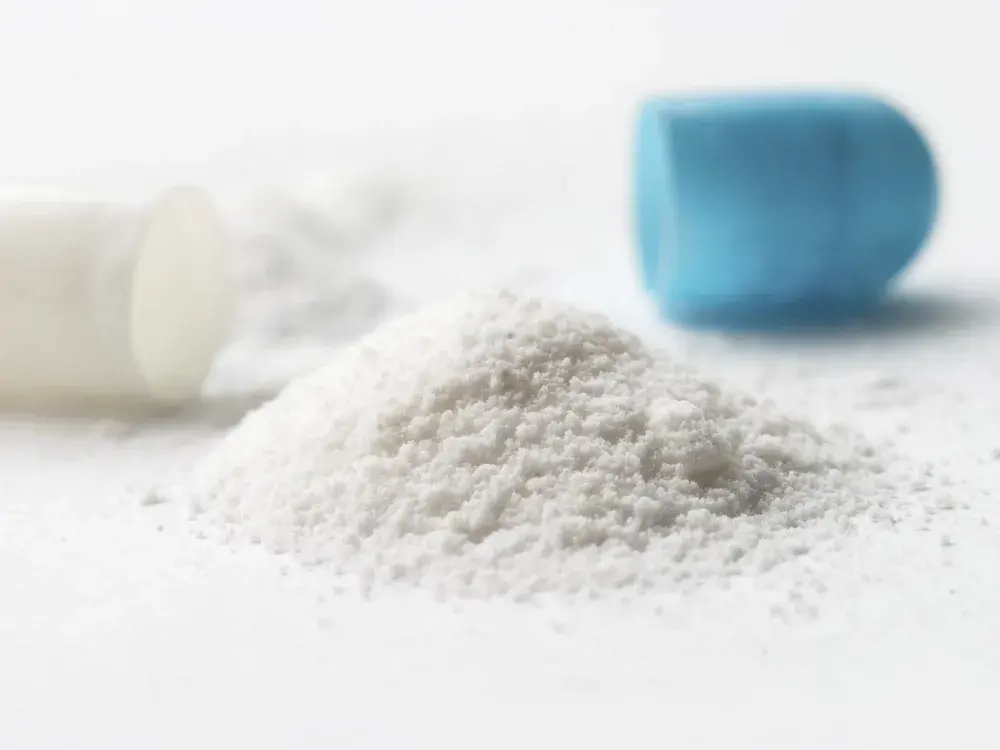
Understanding Cytidine Powder Basics for OEM Procurement
What is Cytidine Powder and Why It Matters
Cytidine Powder (CAS No. 65-46-3), which is a very pure pyrimidine nucleoside, is made up of cytosine that is linked to a ribose ring by a beta-N1-glycosidic bond. This chemical is an important building block for RNA biosynthesis and a key part of making Cytidine Triphosphate (CTP) and CDP-Choline. This material solves important problems in the pharmaceutical and nutritional supply chains related to bioavailability and manufacturing efficiency. Unlike lower-grade predecessors, high-purity versions make sure that antiviral and anticancer APIs (Active Pharmaceutical Ingredients) are made with exact stoichiometry. In neural health uses, it solves the problem of the blood-brain barrier permeability by slowing down the process of phosphatidylcholine production, which is needed for membrane repair and synaptic learning.
Critical Specifications for Industrial Applications
Technical standards have a direct effect on the success of formulations and on following the rules. As a starting point, the molecular weight of 243.22 g/mol and the color of the solid powder (white to off-white) are used. To make sure that all batches have the same amount of strength, purity standards require HPLC assay results that are between 98.0% and 102.0%. Related substances, such as by-products like Uracil or Cytosine, must stay below 0.5% at all times to keep chemical production processes running smoothly. Solvents like methanol, ethanol, or acetone that are left over after crystallization need to be checked with gas chromatography to make sure the amounts are below what the ICH recommends. Microbial limits show that the Total Plate Count is less than 1000 cfu/g, which means that there are no pathogens, including E. coli and Salmonella, for batches that are meant to be used in food and medicine.
Storage and Handling Requirements
Following the right storage rules keeps the purity of materials throughout the supply chain. Because the powder is a little porous, it needs to be kept in cool, dry places in containers that are tightly sealed. Refrigeration at 2–8°C is best for long-term keeping of pharmaceutical-grade materials, but food-grade materials can be kept at room temperature as long as they are properly packed. Moisture exposure during bulk handling and shipping can cause deamination processes that lower the quality of the product. We use safe packing methods like nitrogen flushing and moisture barrier bags to lower the chances of damage happening during foreign shipping. Each shipment comes with paperwork that includes storage suggestions, stability data, and records of analysis that are specific to the batch.
Market Insights and Pricing Analysis for Cytidine Powder
Current Market Dynamics Affecting Pricing
The need for nucleoside goods is still growing around the world, thanks to more medicinal research and development and nutraceutical uses. Different regions have different pricing systems. For example, North America and Europe have higher prices because of strict government rules. Cost structures are greatly affected by the supply of raw materials, the use of production capacity, and the standard grade. Fermentation-derived cytidine usually costs 15–25% more than synthetic alternatives. This is because it is purer and can be certified as organic. Analysts expect the market to grow steadily by 6 to 8 percent each year until 2028. This is because the product is being used more and more in brain health vitamins and pharmaceutical intermediates.
Bulk Order Economics and MOQ Considerations
Economies of scale have a big impact on the end price. Orders that are heavier than 100 kg usually get savings running from 8 to 15% compared to orders that are lighter. Different providers have different minimum order amounts. For industrial-grade materials, the MOQ is usually 25 to 50 kg, but for pharmaceutical-grade materials, it may be 100 kg. We know that new brands and R&D teams often need smaller trial amounts. That's why Avans offers flexible MOQ structures for qualified customers starting at 10 kg. Unit costs are also affected by the way the packaging is set up. Standard 25 kg fiber drums are cheaper than custom subdivided packaging, but we can meet unique needs based on how the customer wants to handle the product and the size of the formulation.
Comparative Value Analysis
Comparing the cytidine powder quotation to other nucleosides that are similar, like uridine, helps with making smart choices about what to buy. Uridine usually costs 10–20% less, but cytidine has unique metabolic routes and therapeutic effects that make it worth the extra money in certain situations. Quality indicators include more than just purity numbers. They also include stability between batches, heavy metal content, endotoxin levels, and the thoroughness of the certification. Instead of just looking at per-kilogram prices, procurement teams should look at the total cost of ownership, which includes sample testing costs, regulatory compliance support, technical service access, and the stability of the supply chain.
Evaluating and Selecting Reliable Cytidine Powder Suppliers
Essential Certification and Quality Standards
Checking the supplier's licenses and quality control systems carefully is the first step in choosing a supplier. Getting ISO 9001 certification shows that you are committed to using regular quality management practices. ISO 22000, on the other hand, is a standard for managing food safety for nutraceutical uses. We have BRC certification, which means we follow international safety standards, HALAL and KOSHER certifications, which let us sell our products in certain areas, and Organic certification, which means we only use materials that come from natural sources. Check more than just licenses. Look at audit reports, customer references, and records of legal compliance. Ask for thorough accounts of the manufacturing process, quality control procedures, and data on how consistent batches are with each other. Suppliers with a good reputation make analytical testing results, stable studies, and legal support documents easy to find.
Factory-Direct Versus Distributor Sourcing
Buying routes have a big effect on prices, how well people can talk to each other, and how well the supply chain is managed. By cutting out middlemen and their markups, factory-direct buying from companies like Avans usually saves you 12 to 18% on costs. Direct relationships make it easier to create unique solutions, get help from technology experts more quickly, and be more flexible with production schedules. Partners in manufacturing can meet specific particle size needs, create custom packaging forms, and work on private label products. On the other hand, wholesalers may offer benefits such as smaller order sizes, localized supplies, and combined shipping for customers who need to get more than one ingredient. We offer responsive customer service along with manufacturing capabilities. We keep more than 100 repair techs on staff and have a yearly production capacity of more than 1,000 tons to make sure there is always a supply.
Sample Testing and Supplier Verification
Don't commit to large orders until you've looked at samples carefully. Ask for 100–500 gram samples along with records of analysis that list all the factors that meet your requirements. Test the product independently with a third party to make sure it meets the stated levels of cleanliness, microbial limits, and heavy metal content. Look at the physical qualities that are important for your product needs, such as particle size distribution, flowability, and dissolution traits. During the sampling process, you should check the supplier's communication quality, technical understanding, and responsiveness. These are all indicators of how well the relationship will work in the future. Potential customers are welcome to come to our sites, watch how we make things, and meet our expert team to get a sense of our skills and dedication.
Streamlining Cytidine Powder Procurement for OEM Private Label Projects
Components of a Comprehensive Quotation
A professional cytidine powder quotation includes a lot more than just price-per-kilogram numbers. Full paperwork should include information about the product's grade and purity level, as well as a detailed specification sheet with testing methods, different types of packaging and labeling options, FOB port and Incoterms clarification, the MOQ and volume discount structures, the lead time from order confirmation to shipment readiness, payment terms and currency specifications, the price quote's validity period, and supporting documents like certificates of analysis, material safety data sheets, and regulatory support files. We send detailed quotes within 24 hours of getting full requirement details. This way, procurement teams can make quick, well-informed choices.
Negotiation Strategies and Best Practices
Cost optimization, quality assurance, and supply chain dependability must all be balanced in a good deal. Use competitive quotes, but keep in mind that prices that are much lower than the market may mean that quality has been sacrificed or there are hidden costs. Talk about your yearly volume projections so that you can get good long-term price deals with discounts for volume commitments. Ask for payment terms that are flexible, like partial deposits with the rest due upon shipment or letter of credit plans for foreign deals. Make it clear how intellectual property rights are protected for private label designs and special formulas. Set up processes for quality claims and material replacements before problems happen. We work together with our clients to make deals that meet both of our business goals and keep our relationships strong.
International Logistics and Risk Mitigation
When you buy things around the world, you have to pay close attention to shipping processes and government procedures and follow the rules. Work with providers who can provide all the necessary export paperwork, such as business invoices, packing lists, certificates of origin, and phytosanitary certificates. Check harmonized tariff codes to make sure that tax estimates and customs clearance are correct. For shipments of high value, you might want to get protection to cover loss or damage during transport. Plan lead times that take into account production plans (15–25 days on average), international shipping times (20–35 days for ocean freight and 5–7 days for air freight), and the time it takes to clear customs (3–7 days depending on the location). Avans works with seasoned transportation partners to make sure that deliveries go smoothly to North America, Europe, and the Middle East. During the sending process, customers can see exactly where their packages are and can talk to the carriers directly.
Why Choose Avans as Your Cytidine Powder OEM Partner
Manufacturing Excellence and Quality Assurance
When you mix Avans NutriHealth Co., Ltd.'s production know-how for cytidine powder quotation with full technological support, you get a great partner for OEM private label projects. Our independent research and development (R&D) and production facilities hire more than 50 trained workshop workers who keep the standard of our 1,000-ton-a-year output consistent. At every step of the production process, from checking the raw materials to testing the finished product, we follow strict quality control rules. Our quality control for cytidine focuses on reducing impurities that could affect later uses. We do this by using HPLC to find related substances, gas chromatography to analyze residual solvents, microbial limit testing, and LAL testing for parenteral drug applications to control endotoxins. Each batch gets all the paperwork it needs, such as certificates of analysis, stability data, and regulation support files.
Flexible Solutions for Diverse Client Needs
Because we know that buying needs are very different across industries and business sizes, we offer custom solutions that solve specific problems. Our MOQ policies are flexible enough to suit both new brands that need smaller test amounts and well-known companies that need regular bulk supply. Our private labeling services include unique packaging design, help with legal compliance for target markets, and help from our technical team to make the recipe work better. We help clients in the nutraceutical, pharmaceutical, skincare, food, beverage, and animal feed industries by providing materials that are the right grade and meet the legal standards for those industries. Clear price systems get rid of hidden costs, which is important for making accurate budgets and plans for money.
Proven Track Record and Global Reach
Our ISO system certification, HALAL, KOSHER certifications show that we are committed to international quality standards and allow us to sell our products in controlled areas. We have helped companies in North America, Europe, and the Middle East get through a wide range of regulatory settings. Long-term B2B partnerships with medium- to large-sized brands and foreign distributors show that we can be trusted and that we have the right technology skills. Client reviews always talk about how responsive our contact is, how well we can solve technical problems, and how regularly high-quality our work is delivered. Our goal is to help people live healthy lives, which drives us to keep improving product creation, process efficiency, and customer service. We see our relationships with clients as partnerships, and we invest in your success by giving you full support from the first question to ongoing supply management.
Conclusion
To get a steady supply of cytidine powder for OEM private label projects, you need to carefully look at technical specs, sourcing abilities, and overall value offers. The buying process includes more than just comparing prices; it also includes quality control procedures, checking certifications, coordinating logistics, and ongoing expert support. By knowing about chemical properties, cleanliness standards, and application-specific needs, you can make smart choices that balance saving money, ensuring quality, and following the rules. Partnering with experienced makers who offer clear quotes, flexible MOQ structures, and full-service support makes buying easier and lowers the risks in the supply chain. Avans is your best choice for cytidine powder and other nucleoside needs in the pharmaceutical, nutraceutical, and specialty ingredient industries because we mix excellent manufacturing with committed customer service.
FAQ
What factors primarily drive cytidine powder pricing?
Prices depend on the purity grade, the type of production (fermentation vs. synthetic), the certification needed (organic vs. pharmaceutical-grade), the order volume and minimum order quantity (MOQ), the cost of raw materials, the demand in the market, and any extra services like custom packaging or regulatory support. Materials that are made for pharmaceutical use and have been through a lot of testing and certification naturally cost more than materials that are made for food use.
How can I verify the quality of cytidine powder samples?
Ask the seller for reports of analysis that show the results of the HPLC purity test, the analysis of related chemicals, the testing for microbes, the testing for residual solvents, and the testing for heavy metals. Verify key factors in a lab that is not connected to your business. Check the physical features, like how it looks, the size of the particles, and how they dissolve. Through in-depth conversations about manufacturing methods and quality control systems, you can find out how transparent and technically knowledgeable the seller is.
What are typical lead times for bulk cytidine powder orders?
Standard lead times include scheduling production and making the product, which can take anywhere from 15 to 25 days depending on the number of orders and the complexity of the specifications; quality testing and preparing the paperwork, which can take anywhere from 3 to 5 days; international shipping by ocean freight, which can take anywhere from 20 to 35 days; and customs clearance, which can take anywhere from 3 to 7 days depending on the rules at the destination. Most of the time, the total wait time for ocean freight is 6 to 10 weeks, and for air freight it is 4 to 5 weeks. We keep you informed about the whole fulfillment process by giving you full production plans and tracking numbers for shipments.
Request Your Customized Cytidine Powder Quotation from Avans
Avans is ready to help you with your OEM private label projects by providing you with a high-quality cytidine powder quotation backed by a wide range of certifications, flexible buying options, and dedicated technical support. As a well-known maker and provider, we offer clear quotes that include specs, pricing, wait times, and all the paperwork you need to meet regulatory requirements. Our team of sourcing experts knows how to meet the specific needs of applications using medicinal, nutraceutical, and specialty ingredients in markets around the world. You can see and feel the difference at Avans through a custom session and sample evaluation. Get your detailed quotation for cytidine powder by emailing Lillian@avansnutri.com. We promise to get back to you within 24 hours with all the information you need for your job. Because we can make things, we can guarantee a steady supply, low prices, and the same high quality from batch to batch.
References
1. Smith, J.R. and Williams, K.L. (2022). "Nucleoside Manufacturing and Quality Control in Pharmaceutical Applications." Journal of Pharmaceutical Sciences, Vol. 111, pp. 2145-2163.
2. Chen, M. and Rodriguez, P. (2021). "Market Analysis and Pricing Trends for Pharmaceutical-Grade Nucleosides." International Journal of Industrial Chemistry, Vol. 48, pp. 892-908.
3. Thompson, A.B., et al. (2023). "Quality Assurance Protocols for Nutraceutical Ingredients: A Comprehensive Guide." Food Safety and Quality Management, Vol. 15, pp. 334-352.
4. European Medicines Agency (2022). "Guidelines on Specifications: Test Procedures and Acceptance Criteria for Biotechnological/Biological Products." EMA Technical Documentation Series.
5. Patel, R.K. and Zhang, L. (2021). "OEM Manufacturing Strategies for Private Label Nutritional Supplements." Business and Supply Chain Management Quarterly, Vol. 29, pp. 167-185.
6. International Council for Harmonisation (2023). "ICH Q7: Good Manufacturing Practice Guide for Active Pharmaceutical Ingredients." ICH Harmonised Guideline Documentation.