




Cranberry Fruit Extract Powder Factory Supply for OEM Supplement Brands
Sourcing premium Cranberry Fruit Extract Powder directly from a certified factory supplier addresses the core procurement challenges faced by OEM supplement brands today: inconsistent product quality, insufficient traceability, and unpredictable lead times. At Avans NutriHealth Co., Ltd., we manufacture standardized cranberry extract ranging from 1% to 30% proanthocyanidins concentration, delivered as a purple-red fine powder originating from China with ISO, USDA, HACCP, FSSC22000, and HALAL certifications. Our in-stock availability ensures rapid turnaround, enabling formulation teams to meet aggressive launch schedules while maintaining rigorous compliance with regulatory frameworks across North America, Europe, and the Middle East.
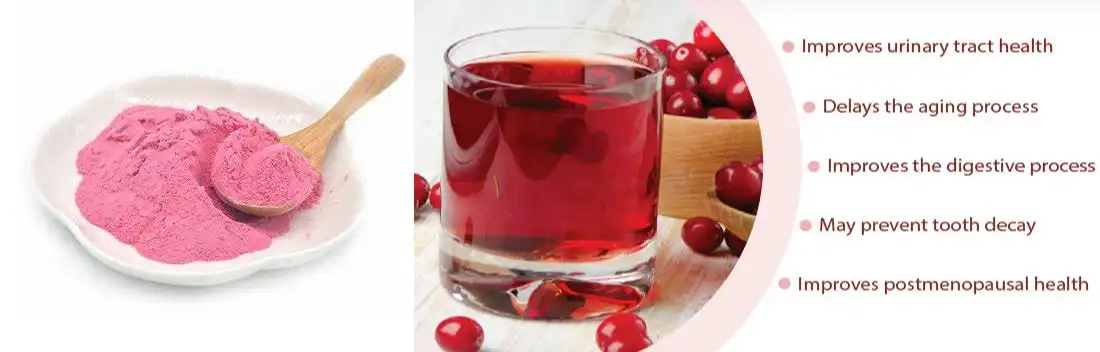
Understanding Cranberry Fruit Extract Powder: Properties and Benefits
The concentrated plant ingredient Cranberry Fruit Extract Powder comes from Vaccinium macrocarpon berries. It is made using modern extraction methods that keep bioactive phytochemicals like proanthocyanidins (PACs), organic acids, and polyphenolic antioxidants. Extract powders are different from simple fruit powders because they are made by extracting the liquid from the fruit and then spray-drying it to get a consistent amount of strength.
Nutritional Profile and Bioactive Compounds
Cranberry juice is mostly useful for treating health problems because it contains Type-A proanthocyanidins, which are oligomeric flavonoid molecules that stop uropathogenic Escherichia coli strains from sticking to surfaces. According to a study in the Cochrane Database of Systematic Reviews, taking cranberry supplements can help women avoid getting recurring urinary tract infections by stopping germs from sticking to urothelial cells. Cranberry Fruit Extract Powder is good for more than just your urinary health. It also has a lot of antioxidant activity, which can be measured by Oxygen Radical Absorbance Capacity (ORAC) assays. This helps keep your heart healthy and lowers your inflammatory response.
Concentration Grades and Efficacy Considerations
When evaluating supplier offerings, people who work in procurement need to be able to tell the difference between the different levels of standardisation. Cranberry Fruit Extract Powder, which comes in amounts ranging from 1% to 30% PAC, can be used for a variety of manufacturing goals. For beverage and food fortification where subtle flavour profiles are preferred, lower concentration grades (1–5%) work best. On the other hand, pharmaceutical-grade extracts standardised to 25–30% PACs deliver concentrated therapeutic doses that are good for capsule and tablet formulations that are aimed at clinical endpoints.
Safety Profile and Quality Imperatives
Cranberry Fruit Extract Powder has a great safety profile, with few side effects reported in clinical trials. This makes it a good candidate for the rules that govern dietary supplements. Buying from companies with ISO, HACCP, and FSSC22000 standards lowers the risk of contamination, such as heavy metal buildup, microbial contamination, and pesticide residues. These are common quality problems seen in plant ingredients that come from sources that can't be trusted. Third-party testing procedures that confirm the authenticity of CAS No. 84082-34-8 and the standardisation of PAC content are necessary for quality assurance paperwork that is needed for regulatory submissions and customer checks.
Criteria for Choosing the Best Cranberry Fruit Extract Powder Supplier
To find the best factory supplier, you need to carefully look at their performance in several areas that are important to the OEM. These areas should include production volumes, standardisation requirements, organic certification status, and formulation compatibility parameters for Cranberry Fruit Extract Powder.
Certification Verification and Quality Systems
Quality management systems that work well are must-haves when looking at potential suppliers. When a factory gets ISO 9001 certification, it shows that it has documented quality control procedures. FSSC22000 certification, on the other hand, only covers food safety management during the manufacturing process. HALAL and KOSHER certificates are important for brands that want to sell to people who have to follow religious food rules. The USDA Organic certification comes with a higher price tag, but it gives you access to the growing market for clean-label supplements, where people are actively looking for certified organic plant products.
Direct Factory Sourcing Versus Distributor Networks
Direct connections with factories are a much better way to buy things than going through third-party distributors. When you buy directly from a manufacturer, you skip the middleman and save 15 to 30 percent on the price per kilogram, based on how much you buy and how you pay. Factory suppliers give OEM brands more control over private label customisation by letting them choose their own extraction ratios, particle size distributions, and packaging configurations that work with the needs of downstream manufacturing. When procurement teams build direct relationships with technical staff who understand extraction methods and can help with formulation problems during product development, communication is a lot more effective.
Capacity Assessment and Scalability Considerations
By checking a supplier's production ability, you can avoid jams when demand goes up or when the seasons change. Factories that make more than 1,000 tonnes of goods a year have the infrastructure to handle both initial trial orders and later needs for scaling up as product lines get better. Avans NutriHealth Co., Ltd. has more than 100 dedicated production teams and workshop operation experts. This makes sure that there is a steady supply even during the North American and European markets' busiest buying times.
The OEM Cranberry Fruit Extract Powder Supply Chain Explained
To buy in bulk, you need to know the minimum order quantities, expected lead times, and logistical rules that govern the trade of botanical ingredients across borders. Navigating the Cranberry Fruit Extract Powder supply chain effectively requires strategic planning.
Minimum Order Quantities and Lead Time Planning
Depending on how hard it is to standardise and how much organic approval is needed, factory sellers usually set MOQ levels between 25 kilograms and 500 kilograms. Shipments within China usually take 10 to 15 business days, but it can take up to 25 to 35 days for Cranberry Fruit Extract Powder that is already in stock to get to the United States or the European Union, once customs clearance procedures are taken into account. To account for possible delays caused by regulatory inspections or document verification processes at port authorities, procurement managers should add 45 to 60 days to production schedules.
Private Label and Custom Formulation Capabilities
Modern factory providers offer more than just basic ingredients. They also offer value-added services like private label packing, custom blend development, and partnerships for co-manufacturing. These skills are especially useful for new supplement brands that don't yet have their own production facilities. Custom formulation services let clients create unique mixes by mixing Cranberry Fruit Extract Powder with other botanicals like D-mannose, hibiscus extract, or vitamin C. This lets them make unique urinary health formulations that are covered by trade secret status instead of patent filings.
Regulatory Compliance and Traceability Documentation
It is required by the FDA's Food Safety Modernisation Act (FSMA) and the European Union Regulation 178/2002, which sets out general food law principles, to keep detailed records of food tracing. For each output lot, qualified providers give a Certificate of Analysis (CoA) that lists the PAC content based on validated HPLC methods, the results of microbial tests, heavy metal screening data, and pesticide residue analysis. Chain of custody documentation that shows where raw materials come from and how they are shipped to customers ensures the transparency needed for regulatory audits and quality assessments.
Supplier Verification Methodologies
Before finalising partnerships with suppliers, procurement teams should set up multi-stage proof procedures. During the first desktop checks, certifications, business licenses, and export records that can be found in customs files are reviewed. Virtual facility tours through videoconferencing let you check out how clean the factory is, how well the equipment is maintained, and how the materials are handled. By asking for reference contacts from current clients who work in similar market areas, you can get third-party confirmation of the supplier's dependability, ability to communicate clearly, and ability to solve problems.
How to Use Cranberry Fruit Extract Powder Effectively in Supplement Formulation
When adding Cranberry Fruit Extract Powder to finished supplement products, it's important to think about the best dose, how well the extract will work with other ingredients, and how stable the product will be in different delivery forms.
Dosage Guidelines and Standardization Approaches
In clinical studies that show Cranberry Fruit Extract Powder works, people are usually given 36–72 mg of Type-A proanthocyanidins every day, which is equal to about 240–360 mg of 25% standardised extract powder. Supplements in capsule form usually have 300–500 mg of cranberry juice per dose, along with other ingredients that work together to support urinary tract health. Powder blends made for mixing into drinks use lower concentration extracts (5–10% PACs) at higher inclusion rates (2–5 grams per serve) to give the same amount of bioactives while keeping the right taste.
Formulation Techniques and Excipient Selection
Cranberry Fruit Extract Powder has great flow and compressibility properties that make it useful for direct compression tableting, capsule filling, and stick pack applications. The purple-red colour comes from natural pigments, so clean-label formulations don't need to use synthetic colourants. Formulations that are sensitive to moisture do better when they are packed in multi-layer laminate bags with aluminium shields that keep humidity out during storage and shipping. Adding hygroscopic ingredients like magnesium stearate or silicon dioxide to cranberry juice keeps the powder's ability to run through high-speed encapsulation equipment.
Real-World Application Success Stories
When mid-sized nutritional brands release women's health products, they get a big share of the market by making Cranberry Fruit Extract Powder the main ingredient, which is backed up by clinical studies. Combining 400 mg of 25% standardised cranberry juice with 1,000 mg of D-mannose and 50 mg of vitamin C in a special way makes urinary tract support goods that sell for a lot of money in speciality stores. Cosmetic companies use Cranberry Fruit Extract Powder in anti-aging creams and lotions because it contains polyphenolic antioxidants that block reactive oxygen species that cause collagen breakdown and photoaging.
Pricing, Contracts, and Procurement Best Practices for Bulk Cranberry Fruit Extract Powder
Understanding what causes costs to go up and down and getting good contract terms for Cranberry Fruit Extract Powder are important for protecting margins and keeping the supply chain stable over the course of multi-year purchasing relationships.
Price Determinants and Market Dynamics
The price of Cranberry Fruit Extract Powder depends on a number of factors, such as the level of standardisation, the state of the organic certification, the size of the order, and the time of year when raw cranberry biomass is available. Conventional extracts standardised to 25% PACs usually cost between $45 and $75 per kilogram when ordered in amounts of 500 kilograms. On the other hand, USDA Organic certified versions cost between $85 and $120 per kilogram more because they are grown organically and have to pay for ongoing certification costs. The final price depends on the type of packaging used. For example, 25-kilogram fibre drums are the most cost-effective option, while smaller packages ready for sale require more work and materials.
Contract Elements and Risk Mitigation Strategies
Comprehensive procurement contracts should include a standardisation method (like the DMAC assay for measuring PAC), acceptance criteria for microbial limits and heavy metal thresholds, a delivery schedule with penalties for missing deadlines, and ways to settle quality disputes, such as third-party arbitration protocols. For ocean freight transfers, payment terms usually include a 30% deposit after the order is confirmed and the remaining 70% due upon receipt of a copy of the Bill of Lading. However, established relationships may be able to arrange net-30 or net-60 terms after the first transaction is completed successfully.
Import Regulations and Logistics Considerations
Getting Cranberry Fruit Extract Powder into the US and EU markets is pretty easy because it is classified under HS Code 1302.19. This means it doesn't have to go through as much review as new ingredients that haven't been used safely before. According to FDA Prior Notice rules, shipping information must be sent electronically at least two hours before it arrives at U.S. ports. For EU exports, Health Certificate paperwork is needed to show that they follow the rules set by Commission Regulation 2073/2005 for microbiological standards for foodstuffs. Working with customs brokers who are experienced in importing botanical ingredients speeds up the clearance process and stops expensive demurrage charges that happen when paperwork isn't complete.
Conclusion
Getting a steady supply of Cranberry Fruit Extract Powder from a factory is a smart purchasing choice that has a direct effect on product quality, legal compliance, and standing in the global supplement market. When OEM brands look at relationships with suppliers, they need to make sure that certifications are checked, production capacity is evaluated, and the supply chain is clear so that quality risks are reduced and cost structures are optimised. Direct factory sourcing has many benefits, such as lower prices, more customisation options, and the ability to work together on technical issues. These benefits can be seen throughout the product development and commercial scale-up stages. Companies that use structured methods for evaluating suppliers will be able to meet the growing demand from customers for botanical products that support antioxidant health and urinary tract health.
FAQ
1. When I order cranberry extract powder, what amount of standardisation should I choose?
The choice of standardisation relies on the application and level of effectiveness you want. When making therapeutic-dose supplements, supplement brands usually say that the proanthocyanidin content needs to be between 25 and 30 percent in order to reach clinically relevant intake levels in serving amounts that are acceptable. For use in food and drinks, lower concentration grades (5–10% PACs) are used that balance biological delivery with cost and flavour concerns.
2. What effect does organic approval have on the price and supply of cranberry extract powder?
USDA organic certified cranberry extract costs 40–60% more than conventional grades. This is because of the higher costs of maintaining the certification and the limited availability of raw materials used in organic farming. Lead times for organic extracts are about 7–10 days longer than for regular products because of different production schedules and more paperwork that needs to be kept during the whole manufacturing process.
3. Can cranberry extract powder be combined with other natural products to make unique mixtures?
When making items for urinary tract health, Cranberry Fruit Extract Powder works really well with other plants that are good for you, like D-mannose, hibiscus extract, uva ursi, and vitamin C. Before going on sale, compatibility and shelf-life performance are checked by putting the product through accelerated stability testing at 40°C/75% RH for 3 months. Qualified plant providers help with formulation development to find the best amounts of ingredients and figure out how they might interact and affect the stability of the product.
Partner with Avans for Premium Cranberry Extract Powder Supply
Avans NutriHealth Co., Ltd. is ready to help you reach your product development goals by providing complete Cranberry Fruit Extract Powder solutions made just for foreign wholesalers and OEM supplement brands. Our factory makes standardised extracts with proanthocyanidin levels ranging from 1% to 30%. These are backed by ISO, USDA, HACCP, FSSC22000, and HALAL certificates, which make sure they are legal in all global markets. With over 1,000 tonnes of yearly production capacity and a lot of inventory that is always in stock, we provide the supply chain stability that is needed for ambitious brand growth.
In addition to supplying common ingredients, we also offer private label packing, custom formulation development, and expert advice on how to improve stability and make a regulatory plan. Our team has a lot of experience with nutritional, pharmaceutical, cosmetic, and functional food uses. This makes us more of a strategic partner than a transactional seller. Email Lillian@avansnutri.com to talk about your unique needs and ask for samples that show our high-quality standards as a reputable Cranberry Fruit Extract Powder producer. We want procurement workers to experience the Avans advantage, which is where advanced production skills meet helpful customer service that is committed to your success.
References
1. Jepson RG, Williams G, Craig JC. "Cranberries for preventing urinary tract infections." Cochrane Database of Systematic Reviews, 2012; Issue 10: CD001321.
2. Howell AB, Reed JD, Krueger CG. "A-type cranberry proanthocyanidins and uropathogenic bacterial anti-adhesion activity." Phytochemistry, 2005; 66(18): 2281-2291.
3. Pappas E, Schaich KM. "Phytochemicals of cranberries and cranberry products: characterization, potential health effects, and processing stability." Critical Reviews in Food Science and Nutrition, 2009; 49(9): 741-781.
4. European Food Safety Authority. "Scientific Opinion on the substantiation of health claims related to various food constituents and protection of cells from oxidative damage." EFSA Journal, 2011; 9(4): 2066.
5. U.S. Department of Agriculture. "USDA Database for the Proanthocyanidin Content of Selected Foods." Nutrient Data Laboratory, 2015; Agricultural Research Service Publication.
6. Blumberg JB, Camesano TA, Cassidy A. "Cranberries and their bioactive constituents in human health." Advances in Nutrition, 2013; 4(6): 618-632.