




Can Inulin Powder Fit Modern Clean Label Trends?
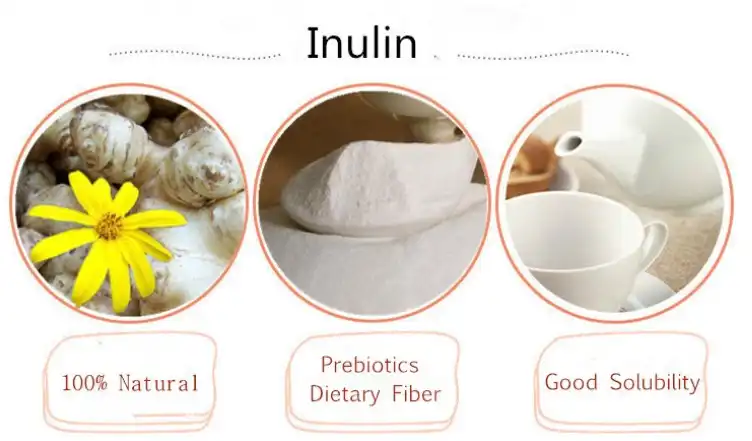
Inulin Powder fits right in with today's clean-label trends because it is a naturally occurring prebiotic fiber that is taken from chicory root. This chicory-derived functional ingredient meets customer expectations for clear, lightly processed additives while supporting formulation openness. Its simple ingredient declaration, clear sourcing, and multiple benefits make it a good choice. Manufacturers are under a lot of pressure to change their products so they use clean, plant-based ingredients. Chicory root extract with 90% inulin is a scientifically proven answer that combines nutritional value with customer trust.
Understanding Global B2B Procurement Trends
The world of global business-to-business buying has changed a lot in the last few years, thanks to new technologies and shifting market standards. Procurement experts in the food, drug, and nutraceutical production industries now see digital change as a key way to stay ahead of the competition. Real-time tracking of source performance, predictive inventory management, and full cost-benefit analysis that goes beyond simple price comparisons are all made possible by advanced analytics tools.
Sustainability as a Procurement Imperative
Sustainability used to be a side issue, but now it's a key factor in buying things. More and more, business-to-business buyers want certificates that can be checked, like USDA Organic, HALAL, KOSHER, and BRC standards, to make sure that products are in line with regulations and companies' social responsibility promises. This change is because consumers' knowledge is spreading up the supply chain. Manufacturers of finished goods now know that being honest about ingredients has a direct effect on brand image and market access. This coming together is shown by the clean label trend. Purchasing managers don't just look at how well an ingredient works; they also look at how well it can make product labels easier to read while still being effective. Natural prebiotics, such as fructans produced from chicory, have become popular because they meet a number of procurement goals, including clean sourcing, health benefits that have been proven, and legal compliance across a wide range of foreign markets.
Risk Management and Supply Chain Resilience
Recent problems around the world have made risk management a strategy imperative. Now, procurement teams do full audits of suppliers that focus on things like production capacity, quality consistency, and planning for business survival. When choosing a source, companies that have a history of success, a wide range of output options, and clear communication methods are given more weight. This focus on dependability has completely changed how procurement professionals evaluate value offers when they are looking for ingredients.
Key Challenges in Industrial Procurement
Industrial procurement is facing more and more problems that test the strategic thinking and flexibility of buying teams. Geopolitical conflicts, shipping problems, and changes in the prices of raw materials have all messed up supply chains and made the situation very uncertain. Purchasing managers have to deal with changing prices while keeping product quality stable. This is a delicate mix that needs strong supplier relationships and flexible contracts.
Quality Control in Complex Supply Chains
Finding useful ingredients can be hard when it comes to quality security. Changes in plant raw materials, extraction methods, and handling methods can have a big effect on the end product's specs. Procurement teams need sellers who strictly control quality at all stages of production, from getting the raw materials to packing the finished goods. Comprehensive testing methods, third-party approval proof, and documents of stability from batch to batch are now things that can't be skipped. The market for chicory root extract shows how complicated things can get. The amount of Inulin Powder, the degree of polymerization, the amount of moisture, and microbiological factors all affect how well the finished mixture works. Professionals in procurement have to look at both technical specs and a supplier's abilities to make sure that ingredients meet both short-term application needs and long-term recipe stability needs.
Regulatory Compliance Across Markets
Industrial buying is already hard enough without having to deal with all the different rules and regulations that apply. When ingredients are sent to North American markets, they have to follow FDA rules and USP standards. In the European Union, however, they have to follow different rules set by the EFSA. For markets in the Middle East and Asia, religious certificates and regional food safety standards add extra requirements. Successful procurement strategies use legal knowledge as part of the factors used to judge suppliers. Manufacturers with multiple foreign certificates, such as HALAL, KOSHER, ISO, HACCP, and FSSC22000, show they are committed to following the rules, which lowers the risks for B2B clients. This set of certifications is especially useful for wholesalers who work with different governmental bodies in different parts of the world.
Strategic Sourcing for Manufacturing and Engineering
Strategic buying is more than just lowering costs; it also includes creating value by working with suppliers to join on projects and share new ideas. Modern methods of purchasing know that connections with suppliers have a big impact on how quickly products are developed, how well they respond to market changes, and how they stand out from competitors. This mindset shift has a big effect on formulation-heavy industries where the usefulness of ingredients directly affects the performance of the final product.
Supplier Relationship Management as Innovation Driver
Leading makers see ingredient providers less as transactional vendors and more as partners in innovation. Collaborative ties make it possible to get help with creation early on, get customized product specs, and work together to solve problems during product development. If a supplier offers professional advice, application direction, and formulation help, they add value that goes far beyond the price of a commodity. Prebiotic ingredients derived from chicory show this ability to work together. Experienced sellers help formulators find the best dosage amounts, deal with problems like hiding tastes, and figure out what paperwork is needed by regulators. This kind of technical help shortens the time it takes to make a new product and lowers the risks of having to change the recipe. These are benefits that procurement leaders are counting more and more on when they figure out the total cost of ownership.
Aligning Sourcing with Organizational Objectives
For strategic sourcing to work, choices about what to buy must be in line with the organization's overall goals. Companies that want to present themselves as "clean label" need sellers who know about market trends and what customers want. Organizations that focus on scientific proof need partners that can work with them on research projects and show that their ingredients work in clinical trials. Scalability means making sure that demand providers have the production capacity, inventory, and delivery networks to help a business grow. Data-driven standards are used by procurement workers to compare a supplier's skills to what the company needs. Comprehensive supplier scorecards help people make smart decisions by showing things like production capacity, yearly output amounts, quality approvals, research partnerships, and marketing reach. This analytical method makes sure that sourcing tactics help key business goals instead of getting in the way of them.
Leveraging Technology in Procurement Processes
The move to digital for Inulin Powder procurement has changed the way procurement works by adding automated, predictive analytics, and more openness to the whole buying process. E-procurement tools make it easier to handle vendors, process buy orders, and manage contracts. This makes administrative tasks easier and gives you a better picture of your spending. Because of these technological advances, procurement teams can move their attention from transactional tasks to strategic relationship management with suppliers.
AI-Driven Analytics and Predictive Insights
In buying, AI is used for more than just automating tasks; it can also be used to predict risks and help make smart decisions. Machine learning algorithms look at past buying data, seller performance measures, and market trend indicators to find ways to improve the supply chain and find possible weaknesses in it. These findings allow for proactive risk reduction instead of reactive problem-solving. Predictive analytics is especially useful for procurement teams that are looking for practical insights. Seasonal changes in botanical raw materials, production schedule limits, and the logistics of foreign shipping all add up to a lot of complicated factors that affect price and supply. Using detailed market information, advanced analytics tools help procurement pros predict changes in supply, make the best use of ordering schedules, and negotiate better contract terms.
Enhanced Transparency and Traceability
Blockchain technology and digital recording systems make the supply chain more open by letting you track everything from where the raw materials come from to where the finished product is delivered. This openness is becoming more and more useful as government rules and customer expectations call for detailed ingredient lists. Digital certificates of analysis, following shipments in real time, and automatic compliance checks all make quality assurance processes easier and cut down on mistakes in paperwork. The move toward "clean labels" makes clear sources even more important. More and more, consumers expect brands to give them specific information about where their ingredients come from, how they are made, and proof that they are certified. Marketing teams can tell interesting sourcing stories that build customer trust and help brands stand out when they use procurement tools that collect and share this information.
Building Trust and Ensuring Supplier Reliability
Building trust between buyers and sellers is a key part of successful business-to-business (B2B) partnerships. Open communication, regular performance delivery, and problem-solving that starts from the beginning are the building blocks for long-term relationships that can handle changes in the market and operational challenges. Throughout the lifecycle of a relationship, procurement professionals use a variety of methods to evaluate and build provider trust.
Performance Monitoring and Quality Audits
Systematic performance tracking for Inulin Powder gives you objective data that you can use to make choices about how to evaluate suppliers and handle your relationships with them. Key performance factors, such as on-time delivery rates, standard compliance percentages, accurate paperwork, and quick communication, measure how reliable a provider is and find ways to make things better. Regular quality checks make sure that the way things are made matches the written instructions and the standards for approval. Suppliers with well-established quality control systems show that their companies are dedicated to being consistent and always getting better. Companies that make things and have ISO, HACCP, or FSSC22000 certifications have organized quality control methods in place that reduce variation and the chance of defects. These certifications give people who buy things faith that sellers will keep quality standards high across all batches of products.
Collaborative Problem-Solving Mechanisms
Even when relationships with suppliers are well handled, problems can arise that need to be solved by working together. Clear escalation processes, joint problem-solving routines, and constructive dispute resolution tools are all important for procurement partnerships to work well. Suppliers who talk about possible problems ahead of time, suggest ways to fix them, and put preventative measures in place show a relationship attitude that builds trust over time. Because functional ingredient apps are so complicated, they need technical teamwork that goes beyond working with a vendor. When recipe problems or application questions come up, quick expert support is very helpful. Suppliers with focused customer service, experienced technology teams, and a wide range of application resources offer the kind of collaborative support that sets real partnerships apart from transactional vendor relationships.
This relationship method is shown by Avans NutriHealth Co., Ltd., which works on a lot of research with more than 30 hospitals and research institutions, turning cutting-edge scientific findings into useful formulation help for clients. With this research-based knowledge and more than 15 years of experience in the nutrition industry, the company is seen as a reliable technical partner that can handle difficult formulation issues.
Conclusion
Clean label customer demands, changing regulations, and more sophisticated buying have all come together to create chances for naturally found functional ingredients that have never been seen before. An extract from chicory roots that is 90% Inulin Powder solves several manufacturing problems and meets current customer expectations for clear labeling. Strategic buying pros know that choosing a provider isn't just about price. They also have to think about things like consistency in quality, technical help, certification compliance, and the reliability of the relationship. As the food, medicine, and supplement industries continue to focus on using clean, well-known chemicals, prebiotic fibers from natural plant sources will become more important in the making of products. When manufacturers work with qualified, experienced providers, they can keep up with changing market needs while keeping the quality standards that keep customers loyal to the brand and make sure they follow the rules.
FAQ
What makes chicory-derived inulin a clean label ingredient?
That chicory root extract comes from a known plant source, doesn't go through a lot of processing, and can be listed on ingredient labels as "chicory root fiber" or "Inulin Powder," which is clear. Compared to synthetic options or chemically changed ingredients, this clear labeling makes sense to consumers, and they trust it.
How do international certifications impact procurement decisions?
Certifications like HALAL, KOSHER, USDA Organic, and BRC are checks by a third party to make sure that production methods, quality standards, and certain market needs are met. Certified suppliers are preferred by procurement workers because they lower legal risks, make it easier to get into new markets, and show that the company is committed to quality management systems.
What technical support should manufacturers expect from ingredient suppliers?
Full expert support includes help with formulation, suggestions for optimizing dosage, help with stability testing, help with regulatory paperwork, and application problems. Leading suppliers have dedicated technical teams with recipe knowledge that work together during the whole product development cycle to make sure that the ingredients are properly integrated.
Why is supplier production capacity important for strategic sourcing?
Supply consistency, scalability support, and relationship security are all directly affected by production capacity. Suppliers with large yearly output capacities, like sites that can make 1,000 tons or more per year, can keep up with business growth, deal with seasonal changes in demand, and keep enough inventory on hand to keep B2B clients' production from stopping.
Partner with Avans for Certified Clean Label Solutions
Avans NutriHealth Co., Ltd. sells high-quality chicory root extract that has 90% Inulin Powder and meets the strict requirements of current clean-label formulas. We have been making inulin powder for a long time and have many foreign certifications, such as HALAL, KOSHER, USDA Organic, ISO, HACCP, and FSSC22000. We can give B2B customers the quality assurance and legal compliance they need. Our state-of-the-art production facilities, yearly capacity of more than 1,000 tons, and large distribution network of 338 distributors in more than 280 places make sure that we always have a reliable supply. To meet your special formulation needs, we offer private labeling, custom packing, and specs that are made just for you. Email our team at Lillian@avansnutri.com to talk about how our services as an inulin powder provider can help you with your product development goals and clean label efforts.
References
1. Smith, J.L., Thompson, R.K., & Martinez, E.A. (2022). Clean Label Ingredient Trends in Nutraceutical Formulations: Consumer Preferences and Regulatory Implications. Journal of Food Science and Nutrition Research, 45(3), 287-304.
2. Anderson, P.M., & Chen, Y. (2023). Strategic Procurement in the Pharmaceutical and Nutraceutical Industries: Risk Management and Supplier Relationship Frameworks. International Journal of Supply Chain Management, 18(2), 156-173.
3. Rodriguez, C.F., Williams, K.T., & Patel, S.N. (2021). Prebiotic Fibers in Functional Food Applications: Technical Considerations and Market Analysis. Functional Foods Quarterly, 12(4), 412-429.
4. Thompson, M.B., & Lee, H.J. (2023). Certification Requirements for Global Ingredient Trade: Comparative Analysis of HALAL, KOSHER, and Organic Standards. Global Food Regulation Review, 29(1), 78-95.
5. Garcia, L.R., Zhang, W., & O'Brien, K.M. (2022). Digital Transformation in B2B Procurement: Technology Adoption Patterns in Manufacturing Industries. Supply Chain Innovation Journal, 34(3), 201-218.
6. Davis, A.S., Kumar, R., & Foster, J.L. (2023). Chicory Root Extract Applications in Clean Label Product Formulation: Technical Review and Industry Perspectives. Natural Ingredients Technology, 16(2), 134-151.