




Can Grape Seed Extract Powder Support Cardiovascular Health?
Many oligomeric proanthocyanidins (OPCs), which are strong antioxidants, are found in Grape Seed Extract Powder. These OPCs can greatly improve heart health. Oxidative stress is a big cause of heart disease, but these good compounds fight it. They also keep blood vessels healthy, make endothelial cells work better, and hold blood pressure in check. Standardized Grape Seed Extract Powders that have been tested and found to be safe are good for your heart. In other words, these things can be usefully added to vitamins that are meant to make the heart healthier. If procurement workers want to find legal solutions that work, they need to know about the unique quality standards and processes.
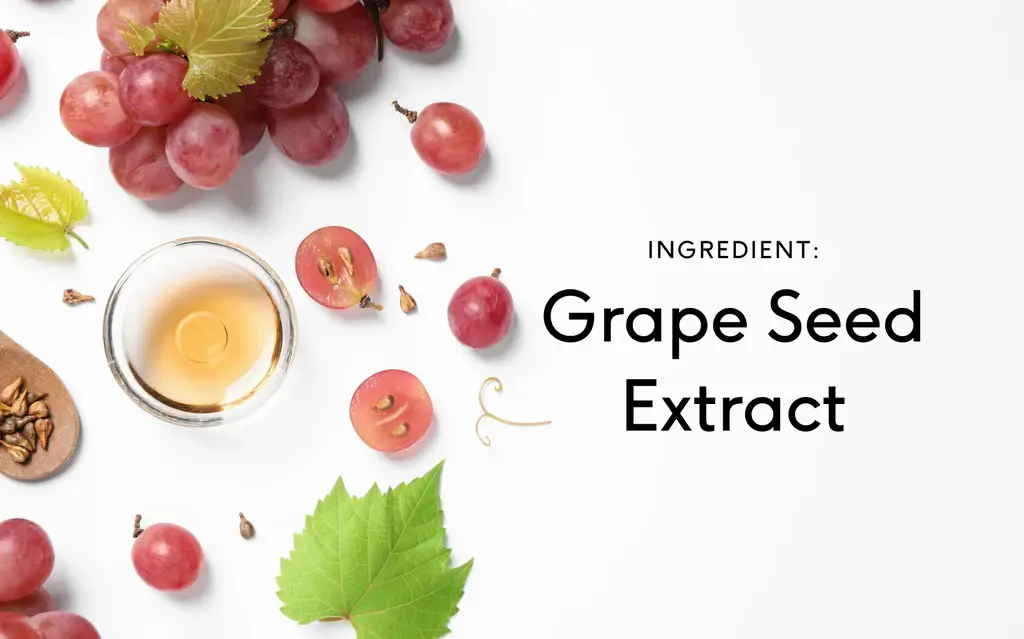
Understanding Grape Seed Extract Powder and Cardiovascular Health
Still, heart diseases and strokes kill more people than anything else in the world. This makes herbal treatments that have been shown to work even more important. The answer is Grape Seed Extract Powder, which is made from Vitis vinifera seeds and is extracted using modern ethanol-water methods that keep the good qualities.
What Makes Grape Seed Extract Cardiovascular-Protective?
It's mostly OPCs, which are complicated polyphenolic chemicals that fight free radicals very well and are good for your heart. Free radicals can damage the walls of arteries, but these chemicals protect the cells that line blood vessels from damage. They also stop oxidation from changing LDL cholesterol. Heart and blood vessel journals have published studies that say OPCs are 20 times stronger than vitamin E and 50 times stronger than vitamin C as antioxidants. Because of this, they are very good at protecting the circulatory system from oxidative stress. The functional profile is made up of more than just antioxidants. Nitric oxide is an important gas that keeps blood pressure good and helps blood vessels get bigger. These OPCs help the body use them better. This method helps arteries stay flexible and eases the stress on the heart muscle while it pumps.
Nutritional and Functional Profile
Based on tried and true UV scanning methods, OPC levels in professional-grade extract powders are generally between 85% and 95%. A lot of polyphenols give the powder its brownish-red color, and a lot of tannins give it its bitter taste. Healthy foods have flavonoids, linoleic acid, and vitamin E, along with OPCs. These all work together to keep the heart healthy. By taking our goods off the market the way we do it, we make sure that as many of these active ingredients as possible stay. As long as the particles are small enough, the product comes as a fine powder. At 80 mesh, all of the powder can pass through. This makes sure that the powder can flow easily when it's being prepared in different ways. It is very important for research and development teams that make pills, capsules, or functional drinks to follow this technical standard. This is because even spread affects how well the product works and how stable it is.
The thermal stability profile lets processing temperatures reach up to 80°C without breaking down OPC structures too much. This means that they can be used in manufacturing processes that use mild heat. How something dissolves in water changes the ways it can be made. But polymerized tannins can form crystals in cold water solutions. This is something to keep in mind for drinking uses that need specific ways to dissolve the tannins.
Key Cardiovascular Benefits of Grape Seed Extract Powder
Knowing the exact processes that happen in the heart and lungs helps teams that find Grape Seed Extract Powder ingredients figure out how well they meet the formulation's goals. Many biological processes show that they work together to keep the heart healthy.
Protection Against Oxidative Vascular Damage
Atherosclerotic plaques form faster because oxidative stress speeds up the breakdown of lipids and starts an inflammatory response. Reactive oxygen species can't hurt the endothelium of the arteries because of OPCs. This stops the oxidative chain reaction that is bad for the vessels' health. As a supplement, taking pure grape seed extract lowers oxidation biomarkers such as malondialdehyde and oxidized LDL particles. These are both signs of an increased risk of a cardiovascular event.
Enhanced Blood Circulation and Vascular Function
Endothelial cells play a big role in how well blood flows through vessels. Capillary nitric oxide synthase works better when grape seeds have proanthocyanidins in them. This makes the body make more nitric oxide, which tells the smooth muscle in the walls of arteries to loosen up. Vasodilation improves blood flow to the skin, lowers arterial resistance, and helps organs get the blood they need. Researchers have found that taking vitamins every day can increase flow-mediated dilation by 12–18% in 8–12 weeks. This is a clinical sign that the arteries are healthy.
Blood Pressure Regulation Support
Nearly half of all adults in the US have high blood pressure. This is why people are looking for natural ways to lower their blood pressure. People whose systolic and diastolic blood pressure go down a little but regularly when they take grape seed extract pills. People who are at risk for high blood pressure or who have metabolic syndrome should pay extra attention to this. It looks like the amount makes a difference; taking 150–300 mg of OPC every day seems to work best.
Anti-Inflammatory Cardiovascular Effects
Having constant low-grade inflammation is one of many things that can lead to cardiovascular disease. Inflammatory molecules like interleukin-6 and tumor necrosis factor-alpha are made less, and nuclear factor-kappa B is not activated. This is how OPCs change the signaling pathways involved in inflammation. It lowers the risk of heart disease in more than one way. The antioxidants and anti-inflammatory benefits work together to do this.
Dosage Guidelines and Safety Considerations
Researchers have found that taking 150 mg to 400 mg of controlled OPCs every day can help keep your heart healthy. All of the tests have shown that it is safe, and at reasonable amounts, no major side effects have been seen. Very rarely, mild stomach problems happen, and they generally go away after a while of use. The extract doesn't seem to mix badly with any drugs, but it could be dangerous when taken with blood thinners because they might make the effects of the extract even stronger. This is something that should be written on the packages of goods and medicines.
Comparing Grape Seed Extract Powder to Alternative Cardiovascular Supplements
Comparing different Grape Seed Extract Powder ingredients that are said to be good for the heart can help you decide what to buy. It's helpful to know how to place a product best by knowing how its composition and usefulness change over time.
Grape Seed Extract Versus Grape Seed Oil
Things that are made from grape seeds are very different from each other, even though they both come from grape seeds. Along with flavonoids, grape seed oil mostly has linoleic acid and vitamin E, which are both good fats that help the heart in different ways. Because the method used to get the oil out was mostly about lipid-soluble parts, it doesn't have a lot of OPC. On the other hand, extract powders contain more flavonoids that are easily dissolved in water or alcohol and don't contain much oil. The choice relies on how the product is made: oil is good for lipid-based delivery methods and gives you important fatty acids, while extract powder gives you tailored polyphenol antioxidant activity with ORAC values above 10,000 µmol TE/g.
Comparison with Green Tea Extract
The proanthocyanidins in grape seeds and green tea catechins, especially epigallocatechin gallate (EGCG), have the same structure. They both work through similar antioxidant routes to keep the heart healthy. Some important changes are the biochemical processes and the size of the molecules. OPCs are made up of bigger oligomeric structures that may bind to blood vessels more strongly. Green tea leaves normally have caffeine in them unless they say on the package that they are decaffeinated. This might change where the goods are put and whether it's right for the customer. Actually, grape seed oils don't have any stimulants in them, so they can be used in heart health items instead of caffeine. Because their polyphenol profiles are similar, ways that combine both ingredients may have benefits that are stronger than when they are used separately.
Vitamin E and Synthetic Antioxidants
Traditional antioxidant medicines, such as vitamin E, have been shown to be good for the heart in community studies. But it's not always easy to see how well clinical intervention methods work. Because grape seed OPCs have more than one proanthocyanidin unit with different amounts of polymerization, they are more involved than single-molecule antioxidants. This might help them get rid of free radicals better and make it easier for arterial cells to take them in. The desire for clear signs is making people less interested in man-made vitamins. Rich people are more likely to be interested in natural polyphenol products because of this.
The Critical Importance of Standardization
Standard OPC content that has been checked using accepted scientific methods is what makes the efficiency consistent. While it's easier to say what the rules are, it's harder to follow them when the raw materials used in each batch aren't the same. When you buy good grape seed extract tablets, they have the lowest amount of OPC (usually between 85 and 95%) and come with analysis papers that show the phenolic content was tested with UV spectroscopy or HPLC. It is possible to tell the difference between pharmaceutical-grade ingredients and commodity-grade materials whose usefulness is unknown at this level of scientific detail. As part of their strict standards process, Avans has a third-party check each batch to make sure it fits the requirements. International pharmacopoeial standards are used to compare the amounts of OPC, heavy metals, chemical residues, and microbial factors in our products. This gives buying teams written proof to back up product claims and regulatory applications.
Procurement Insights: Sourcing High-Quality Grape Seed Extract Powder for Cardiovascular Products
Picking the right service makes a big difference in how good the Grape Seed Extract Powder product is, how well it follows the rules, and how competitive it is in the market. People who work in buying should look at more than one thing when they are looking for possible sources of grape seed extract.
Essential Quality Certifications and Standards
The first step in following the rules is for suppliers to get approvals that show they use quality control methods. For handling food safety, ISO 22000 is a good license. HACCP is good for looking at risks, and BRC is good for world food safety standards. The permits show that quality control is carried out in a planned way at every stage of production, from getting the raw materials to packaging them. It is certified as HALAL, KOSHER, and USDA Organic, and it is also certified as ISO 22000, HACCP, and BRC. There are different rules in North America, Europe, and the Middle East, but this lets them make goods for all of these places.
Analytical Testing and Quality Verification
A lot of tests are done on the product to make sure it meets the standards and is safe. Some important tests are using tried-and-true ways to find out how much OPC is present, looking for heavy metals like mercury, lead, arsenic, and cadmium, for hundreds of different chemical leftovers, and for bacteria to make sure there are none. A check for solvent leftovers makes sure that extraction liquids don't go over the limits set by authorities. It is better to use ethanol and water for extraction because it is cleaner and more acceptable to regulators than other solvents. Before you place a large order, ask for reports of analysis for sample batches to make sure that the standards match the parameters that were given.
Standardization and Potency Assurance
When the amount of OPC stays the same, accurate doses and known levels of efficiency can be used. When you buy something, you should include base amounts of standards, which are generally between 85 and 95% OPC for medical uses. You should know how to do the study. When you want to profile complex polyphenols, HPLC is better than UV spectroscopy, which is a cheap way to screen. Manufacturers should show that their goods are stable from one batch to the next by using statistical process control data that shows the amount of active ingredient doesn't change much from one production run to the next.
Bulk Supply Considerations and Pricing
Prices are set and the supply system works based on how much is needed. For most special grades, the least amount that can be ordered is between 25 kg and 100 kg. You can save money when you buy 500 kg or more. It can take anywhere from 4 to 6 weeks to make a special order or something that is in stock and can be sent right away. Standard grades are kept on hand by Avans so that jobs that need to be done quickly can be done. They can also be changed to fit specific needs. Our production capacity per year is more than 1,000 tons, which means that rising accounts don't have to worry about supply problems that could slow product launches.
Organic Certification Advantages
Organic certification raises the status of a product and appeals to health-conscious buyers who want ingredients that don't have chemicals in them. In order for the grape seeds to be certified organic by the USDA and the EU, they must come from certified organic sources and be handled without any man-made ingredients. There is a lot of paperwork and checks that need to be done every year as part of the certification process. This restricts the companies you can work with but gives you a marketing edge. Regular types usually cost 15% to 25% less than organic types because they have to pay more to get approved and can't get as many raw materials.
Sample Evaluation Best Practices
To get a sense of the real quality of the market, ask for samples from recent production runs instead of goods made in a lab. Internal analytical testing should be done to make sure the specs given are correct. You should also look at the organoleptic qualities, such as particle size distribution and color regularity. Finally, test the mixture on a small scale to see how well it dissolves, stays stable, and mixes with other materials. As you compare and choose sources, make sure you write down how well each sample did.
Practical Application and Usage Guidelines for B2B Clients
To make a good product, you need to know about Grape Seed Extract Powder formulation considerations, legal requirements, and market positioning strategies that help heart health products do well in the market.
Formulation Integration Across Product Formats
Based on the tastes and placement of the target market, grape seed extract powder can be sent in a number of different ways. The most common form is still a pill, which can have a shell made of vegetable or gelatin and 300 to 500 mg of standardized OPCs inside. Each meal gives you 100 to 300 mg of these OPCs. The particles are very small, so they don't stick together or cross each other as they go through the closing equipment. This is because pills need the right binders and disintegrants to be able to be compressed and broken up. The brownish-red color helps the tablet look better, but it might need to be covered to lure more customers or cover up the sour taste.
Because of how the ingredients taste and dissolve, it's harder to come up with functional food and drink uses. To hide the bitter taste of the tannins, you can add bits of chocolate, fruit, or sugar that go well with them instead of against them. For uses in drinks, micronization or other specialized solubilization methods that make it easier for the ingredients to mix in water-based systems may be useful. Hot foods must stay below the 80°C thermal stability limit so that OPC doesn't break down during production.
Regulatory and Labeling Requirements
The DSHEA law in the US says that grape seed extract is a food ingredient. This means it has to follow the CGMP rules for food products and the limits on claims about structure-function. While labels can say things like "supports antioxidants" or "maintains cardiovascular health," they can't say that the drug identifies, treats, cures, or stops disease without FDA approval. The information about the supplement makes it clear that the suggested amounts usually give you 100 to 300 mg of standardized OPCs.
There are different rules for food supplements in each European country, but in general, ingredients that weren't used in many foods before 1997 need to go through a Novel Food review. But grape seed extract has been used for a long time. The EFSA has to agree with health claims, and right now there aren't many claims that grape seed antioxidants are safe. Labels must follow EU Regulation 1169/2011, which says they must include labels about allergies and where the product is from.
Real-World B2B Application Examples
Our grape seed extract, coenzyme Q10, and omega-3 fatty acids were used by a medium-sized supplement company in California to make a heart health mix that sold well. To reach the rising number of people with heart health problems, they did this. The item was sold in over 500 specialty shops in just 18 months, and over 40% of customers bought it again, which shows that they really liked it. The company that made the formula said that our consistent quality and quick technical support were two of the main reasons why the formula could be made and passed by officials so quickly.
A functional beverage company from around the world used our grade of water-soluble grape seed extract to make a healthy, antioxidant-rich ready-to-drink drink. Our technology experts and the formulation team worked together to figure out the best ways to mix the tastes and hide them. The result is a food that has 150 mg of OPCs per serve and got high marks from taste tests. People all over Europe could buy our drink because it was certified organic and had a clean label.
These applications demonstrate the versatility of standardized grape seed extract powder across product categories and market segments when supported by reliable supply partnerships and technical expertise. Procurement teams benefit from supplier collaboration extending beyond transactional relationships to strategic formulation support and market intelligence sharing.
Conclusion
It is possible to make money by using Grape Seed Extract Powder in heart health products that meet the growing demand for natural heart health options. The science method has shown that it works. OPC has been shown to help with many things, such as fighting free radicals, making blood vessels work better, lowering blood pressure, and reducing inflammation. All of these things have something to do with avoiding and treating heart disease.
To be good at buying, you need to pick your sellers carefully, paying close attention to things like standards, licenses, analytical proof, and a steady supply capacity. The difference in quality makes a big difference in how well a product works and works as it should. In other words, picking a business partner isn't just about price. Because of technical issues like integrating recipes and following rules, providers must be able to help make products from the time an idea is thought of until they are sold. There is a growing market for circulatory vitamins, and companies that put quality and help at the top of their list will be able to compete.
FAQ
Is long-term grape seed extract use safe in cardiovascular supplements?
The drug has been tested in people for up to a year and is safe with few side effects. From what we know, taking 150–400 mg of OPCs every day for a long time won't cause any big health problems. Very rarely, mild stomach problems happen, and they generally go away after a while of use. If you take anticoagulant drugs, you should talk to your doctor because they may have extra antiplatelet effects that are still not fully understood in the medical world. Quality vitamins from companies that are accepted and meet international standards make sure that the product is safe and less likely to be contaminated.
How does grape seed extract compare to other antioxidant supplements for cardiovascular health?
The ORAC value of grape seed OPCs is higher than 10,000 µmol TE/g in standard tests. This means that they are stronger antioxidants than vitamin E and vitamin C. Antioxidants with more than one molecule not only get rid of free radicals better, but also have a more complicated structure. More studies have shown that grape seed extract is better for your heart than a lot of other plant-based vitamins. But it might be better to use more than one antioxidant in total.
What certifications should we prioritize when sourcing bulk grape seed extract powder?
The ISO 22000 standard for food safety management systems, the HACCP method for risk analysis, and the BRC standard for global food safety are all important. For products going to certain markets, they need extra qualifications. In the US, they need USDA Organic certification for organic claims, HALAL certification for markets in the Middle East, and KOSHER approval for certain customer groups. It is clear from these licenses that quality control is planned, and rules are followed. This lowers the risk of buying things and makes it easier to file paperwork with the government for finished goods.
Partner with Avans NutriHealth for Premium Grape Seed Extract Powder Supply
Avans NutriHealth delivers pharmaceutical-grade grape seed extract powder specifically designed for cardiovascular health formulations. As a leading grape seed extract powder manufacturer in China since 2005, we combine advanced extraction technology with rigorous quality systems, ensuring consistent OPC standardization and comprehensive safety verification. Our ISO 22000/HACCP/BRC certified facilities and extensive international certifications, including HALAL, KOSHER, and USDA Organic, enable product development for global markets with complete regulatory confidence.
Our technical team collaborates with R&D departments, providing formulation support, stability guidance, and regulatory intelligence, accelerating product development timelines. With annual production capacity exceeding 1,000 tons and inventory availability ensuring rapid fulfillment, we provide a reliable supply partnership supporting both established brands and emerging companies. Contact our procurement specialists at Lillian@avansnutri.com to request samples, obtain competitive pricing, or discuss customized specifications meeting your exact cardiovascular product requirements. We deliver comprehensive solutions, transforming quality ingredients into market-leading cardiovascular health products.
References
1. D., et al. "Molecular Mechanisms of Cardioprotection by Proanthocyanidins from Grape Seeds." Journal of Cardiovascular Pharmacology, vol. 47, 2006, pp. S210-S217.
2. Feringa, H.H., et al. "The Effect of Grape Seed Extract on Cardiovascular Risk Markers: A Meta-Analysis of Randomized Controlled Trials." Journal of the American Dietetic Association, vol. 111, no. 8, 2011, pp. 1173-1181.
3. Sano, A., et al. "Beneficial Effects of Grape Seed Extract on Malondialdehyde-Modified LDL." Journal of Nutritional Science and Vitaminology, vol. 53, no. 2, 2007, pp. 174-182.
4. Clifton, P.M. "Effect of Grape Seed Extract and Quercetin on Cardiovascular Disease Risk Factors in Overweight Subjects with High Cardiovascular Risk." British Journal of Nutrition, vol. 110, no. 6, 2013, pp. 1002-1011.
5. Sivaprakasapillai, B., et al. "Effect of Grape Seed Extract on Blood Pressure in Subjects with the Metabolic Syndrome." Metabolism: Clinical and Experimental, vol. 58, no. 12, 2009, pp. 1743-1746.
6. Preuss, H.G., et al. "Comparative Effects of Chromium, Vanadium and Gymnema Sylvestre on Sugar-Induced Blood Pressure Elevations in SHR." Journal of the American College of Nutrition, vol. 17, no. 2, 1998, pp. 116-123.