



Can Folic Acid Powder Improve Cognitive Health?
Yes, Folic Acid Powder can significantly improve cognitive health through its essential role in brain function and neuroprotection. As vitamin B9, this synthetic compound supports DNA synthesis, neurotransmitter production, and homocysteine regulation, which are crucial for memory, concentration, and overall cognitive performance. Research demonstrates that adequate folic acid levels help prevent cognitive decline associated with aging and neurodegenerative diseases. The powder form offers superior stability and bioavailability compared to natural folates, making it an excellent choice for cognitive health formulations in nutraceutical and pharmaceutical applications.
Understanding Folic Acid Powder and Cognitive Health
Folic acid powder, which is a steady and man-made form of vitamin B9, is very important for brain function and cell growth. It helps build DNA, fix DNA, and make neurotransmitters, which have a direct effect on cognitive skills like remembering and focus. Folic acid lowers homocysteine levels, which are linked to brain decline, according to scientific studies. This protects neurons. This part explains the biochemical processes and highlights how the powder form is better for industrial uses than natural folates. This gives B2B clients a strong base for judging the quality and effectiveness of the product.
Biochemical Mechanisms of Cognitive Enhancement
Vitamin B9 is good for your brain because it plays a part in one-carbon metabolism pathways. These chemical reactions are very important for methylation reactions, which control how genes are expressed and how neurotransmitters are made. When homocysteine levels rise because of not getting enough B vitamins, oxidative stress rises in brain tissue. This can cause cognitive damage and neurodegenerative conditions.
Folic acid powder helps homocysteine change back into methionine. This keeps homocysteine levels in a safe range and protects neural pathways. This process is especially important for keeping brain function high in older people, whose bodies may not be able to absorb folate as well as younger people. Folic acid is a synthetic chemical that makes sure that formulas are made to help the brain stay effective and reliable.
Powder Form Advantages for Industrial Applications
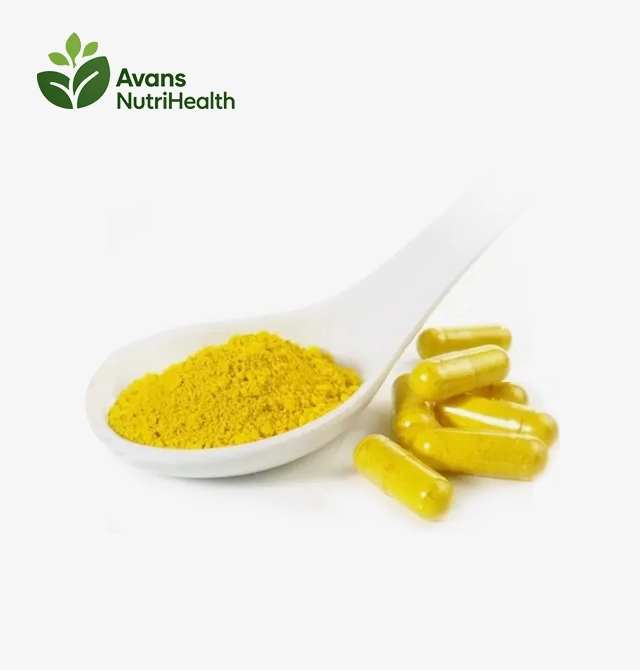
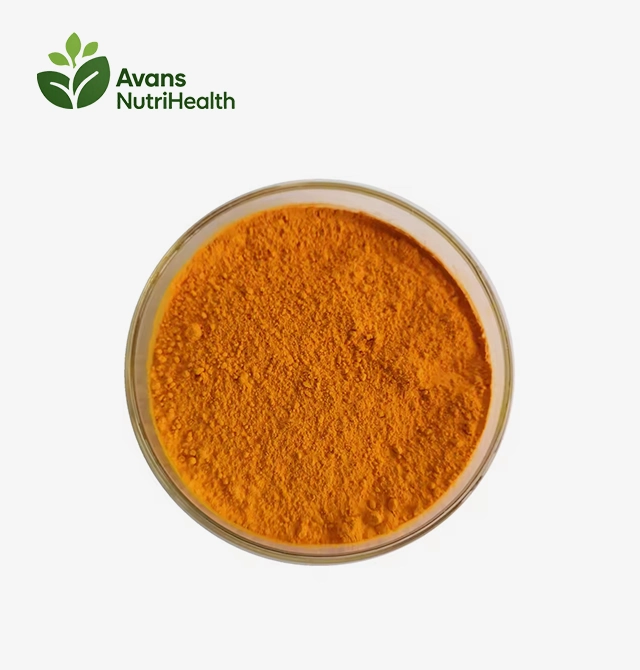
For business-to-business clients working in factories, the yellow to orange solid powder form of folic acid has clear benefits. Synthetic folic acid is more stable than natural folates found in food. It can handle more handling conditions, such as changes in temperature, light, and pH. This stability means that the product will last longer on the shelf and work more reliably in finished formulas.
Folic acid powder also has the benefit of being easy to make in different ways. The crystal structure makes exact dosing possible in tablet and capsule forms, and the fact that it dissolves in water makes it possible to use it in liquid formulations and functional drinks. Because of these qualities, it is a great ingredient for a wide range of cognitive health products that are aimed at a wide range of buyer tastes and demographics.
Health Benefits and Usage of Folic Acid Powder for Cognitive Health
Folic acid powder helps improve brain function by stopping the decline that comes with getting older and neurodegenerative diseases. It is also very important for brain growth during pregnancy and early childhood. Dosages should be different for different groups of people, with pregnant women and the elderly getting extra care. For the best cognitive effects, the best dose includes supplements that work well with water solubility and Vitamin B12. It is important for risk management and product development to know about the side effects of overdose and deficiency symptoms. This helps B2B buyers follow compliance and safe usage rules.
Cognitive Protection Across Life Stages
Vitamin B9 is good for brain health at all stages of life, which gives product developers a wide range of market possibilities. Getting enough folic acid during pregnancy helps the neural tube grow and may have an effect on how smart the baby is later on. Research shows that a mother's folate status is linked to her children's language development and school success. This shows how important it is to take folate supplements before you get pregnant.
Folic acid supplements become more and more important for older people to keep their brains working well. Changes in metabolism and absorption that come with getting older can cause subclinical deficits that can lead to memory loss and cognitive decline. Taking soluble folic acid powder on a regular basis can help keep homocysteine levels in a healthy range and help neurons keep working well as we age.
Dosage Recommendations and Safety Considerations
Folate (Dietary Folate Equivalents) needs are higher during pregnancy (600 mcg DFE) and lactation (500 mcg DFE). The daily suggested amount for adults is 400 mcg DFE. But therapeutic uses for brain health may need different dosing plans depending on the person's needs and any other medicines they are taking at the same time.
When formulating goods with folic acid powder, safety concerns become even more important. Doses higher than 1000 mcg per day may hide the signs of a vitamin B12 shortage, which could lead to problems with the nervous system. Also, people who take certain drugs, like anticonvulsants and methotrexate, may need to change how they take their medicine to avoid combinations that could hurt their brain function.
Comparing Folic Acid Powder with Other Nutritional Supplements for Cognitive Health
In this part, folic acid powder, folate powder, and folinic acid are compared to show how their bioavailability and metabolic pathways are different, which can affect cognitive results. Folic acid in powder form is also compared to pills and multivitamins based on purity, absorption rates, and how easy it is to get. It is looked into how folic acid and nutrients like Vitamin B12 affect each other, highlighting how effective it is to use them together in brain health formulations. These kinds of comparisons help procurement workers choose the most effective and cost-effective form of an ingredient to improve product development.
Folic Acid vs. Natural Folates and Folinic Acid
Knowing the differences between the different kinds of vitamin B9 can help you make smart purchases for brain health uses. Natural folates need to be changed into the active form (5-methyltetrahydrofolate) in several steps. Variations in the MTHFR enzyme can make this process less effective. About 40% of people have genetic variations that make folate digestion less efficient. This means that synthetic folic acid is a better choice for use with a large population.
Leucovorin, or folic acid, is another option that skips some chemical steps. However, it usually costs more because it has to be made in a certain way. Folic acid may be better for people with severe MTHFR mutations, but folic acid powder is better for most cognitive health formulations that are meant for general populations because it is more stable, efficient, and cost-effective.
Synergistic Combinations for Enhanced Cognitive Benefits
Folic acid and vitamin B12 work together, which opens up a lot of possibilities for making cognitive health goods that work better together. These nutrients help break down homocysteine, and not getting enough of either one could hurt your brain's ability to think and remember things. Researchers have found that taking multiple supplements together is more effective than taking each nutrient separately. This is especially true for older people who are at risk for cognitive decline.
Another important ingredient in one-carbon metabolism pathways is vitamin B6. This makes it possible for complete B-vitamin complexes to target brain health. Folic acid powder is water-soluble, which makes it easier to mix with other ingredients while keeping all of them stable and bioavailable. Because of this, formulators can make complex brain health products that work on multiple nutritional pathways at the same time.
Procurement Considerations for Folic Acid Powder in B2B Markets
When looking for a folic acid powder provider you can trust, you should look at certification standards like pharmaceutical grade, GMP compliance, and organic certifications. The location of suppliers affects both quality control and logistics. China is becoming a major production hub because it has low prices and a well-established industrial infrastructure. When making a procurement decision, it's important to look at things like pricing structures, bulk packaging options that meet the needs of OEMs, and cheap wholesale rates.
Certification Standards and Quality Assurance
Quality certifications are one of the most important things to look for in folic acid powder providers for cognitive health uses. ISO certification makes sure that quality management systems are always the same, and HACCP and FSSC22000 certifications show that a company is committed to following food safety rules that are important for nutritional uses. HALAL and organic certifications make markets bigger, which is especially important for goods that are aimed at a wide range of people around the world who are interested in cognitive wellness.
As regulators look more closely at cognitive health goods, pharmaceutical-grade specifications become more important. Suppliers who follow GMP show that they have the infrastructure and quality controls needed to make ingredients that can be used in functional foods and dietary products. These certifications also make it easier for regulators to approve new cognitive health products in many foreign markets, which cuts down on the time it takes to get them on the market.
Supply Chain Logistics and Inventory Management
Folic acid powder needs to be carefully managed in the supply chain by keeping an eye on inventory levels, shipping operations, and storage conditions. Compared to more fragile raw materials, the solid powder form is more stable and lasts longer, which lowers the risk of running out of stock. But keeping it in the right way is still important to keep it working well and stop it from breaking down in a way that could lose its cognitive health effects.
When shipping something internationally, you need to think about things like customs paperwork, keeping the product at the right temperature during transport, and packaging rules that keep the product's integrity. Suppliers who offer a range of flexible packaging options, from small samples for research and development to large amounts for commercial production, are very helpful for businesses that are making cognitive health products for a variety of market segments.
How Folic Acid Powder Can Fit Into Your Product Line and Market Strategy
The addition of folic acid powder opens up a lot of possible uses, from prenatal vitamins and functional foods to nutraceutical supplements and hair and skin care products. As more people want cognitive health goods, it becomes clear how valuable they are as a way for companies to grow their product lines. Market trends show strong growth, which is being driven by a greater understanding of health around the world. B2B clients can take advantage of this trend by adding high-quality folic acid powder to their products. This will help them stand out from the competition and meet changing market needs with ingredients that are backed by science.
Market Applications and Product Development Opportunities
Folic acid powder is very flexible, which gives companies that want to make products for brain health markets many ways to go. Traditional supplement forms, like tablets and capsules, are still popular with health-conscious people who want easy daily brain support. New trends toward healthy foods and drinks offer exciting chances for vitamin B9 supplementation to be used in new ways.
Folic acid powder's ability to dissolve in water makes it a great ingredient for cognitive health drinks, a market that is growing quickly. More and more, brain-healthy ingredients are being added to energy drinks, protein powders, and meal replacements to make them stand out from other goods on the market. Folic acid powder has a neutral taste, so it can be added to products without changing how good they taste, which is a key factor in getting people to buy them.
There are more growth possibilities in the prenatal and pediatric markets, where cognitive health benefits fit in with well-known supplement categories. Folic acid supplements are safe and have been the subject of a lot of study, which helps products that aim to improve brain development during pregnancy and early childhood. These groups of people usually pay higher prices and have stable demand patterns, which makes them good targets for adding more products to your line.
Competitive Differentiation Strategies
Folic acid powder is better at staying stable and being absorbed by the body than natural folate sources, which can help companies make their cognitive health goods stand out. Consumers who are becoming more knowledgeable about supplement quality and effectiveness respond well to marketing messages that stress consistent strength, long shelf life, and reliable absorption rates.
Combining folic acid powder with other nutrients that support brain health, such as omega-3 fatty acids, antioxidants, and other B vitamins, opens the door to more complete brain health goods. People like easy, all-in-one solutions, and these multi-ingredient methods make the cognitive benefits of each part even greater by working together in a way that makes them stronger.
Company Introduction and Product & Service Information
Pharmaceutical-grade folic acid powder is made and sold by Avans NutriHealth, which is trusted by B2B clients around the world for its high quality and compliance with international standards. Our crystalline powder (CAS: 59-30-3) is yellow to orange and stays stable and effective over time. This makes it perfect for use in the nutraceutical, pharmaceutical, and cosmetic industries for cognitive health uses.
Our wide range of certifications, such as ISO, USDA, HACCP, FSSC22000, and HALAL, makes sure that our goods meet the strict rules of many global markets. These credentials show that we are dedicated to quality excellence and make it easy for us to add different types of products that improve cognitive health.
At Avans NutriHealth, they can make a wide range of quantities, from small amounts for study to large orders for businesses. Our skilled research and development (R&D) team helps with formulating new products and making sure that every batch meets strict requirements. Modern factories keep the right conditions for the security of folic acid powder, which keeps the brain health benefits that make vitamin B9 so important for supporting brain function.
In the tough B2B market, Avans NutriHealth stands out for its excellent customer service. Our team works closely with procurement workers, formulators, and product developers to fully understand their needs and come up with custom solutions. Whether you're making pregnancy supplements, formulas to improve brain function, or functional food ingredients, we have the technical know-how and reliable supply chain that you need for a successful product launch.
Conclusion
Folic acid powder represents a scientifically validated, commercially viable ingredient for cognitive health applications across diverse market segments. Its role in supporting brain function through homocysteine regulation, neurotransmitter synthesis, and neural protection makes it essential for companies developing products targeting cognitive wellness. The synthetic form offers superior stability, bioavailability, and formulation flexibility compared to natural alternatives, making it particularly attractive for B2B procurement professionals.
Market opportunities continue expanding as consumer awareness of cognitive health grows and aging populations seek preventive wellness solutions. Companies integrating high-quality folic acid powder into their product portfolios can capitalize on these trends while providing scientifically backed benefits to end consumers. Strategic considerations, including supplier certifications, quality assurance, and formulation synergies, will determine success in this competitive yet growing marketplace.
FAQ
Q: What is the optimal dosage of folic acid powder for cognitive health benefits?
A: The recommended dosage varies by demographic and specific cognitive health goals. Adults typically benefit from 400-800 mcg daily, while pregnant women require 600 mcg daily for optimal brain development support. Therapeutic applications for cognitive decline prevention may utilize higher doses under professional supervision, though exceeding 1000 mcg daily requires careful monitoring to avoid masking vitamin B12 deficiency.
Q: How does folic acid powder compare to natural folate for cognitive applications?
A: Folic acid powder offers superior stability and bioavailability compared to natural folates, making it more suitable for commercial formulations. Natural folates require complex metabolic conversions that can be compromised by genetic variations, while synthetic folic acid bypasses some of these limitations. The powder form also provides better shelf stability and formulation flexibility for diverse cognitive health products.
Q: What are the potential side effects of folic acid powder supplementation?
A: Folic acid powder is generally safe when used within recommended dosages. Excessive intake above 1000 mcg daily may cause gastrointestinal upset, sleep disturbances, and potential masking of vitamin B12 deficiency symptoms. Individuals taking certain medications, particularly anticonvulsants, should consult healthcare providers before beginning supplementation to avoid potential interactions.
Q: Can folic acid powder be combined with other cognitive health ingredients?
A: Yes, folic acid powder combines synergistically with vitamin B12, vitamin B6, and other nutrients involved in brain health. These combinations often produce enhanced cognitive benefits compared to individual nutrients alone. The water-soluble nature of folic acid facilitates incorporation into complex formulations without stability concerns, making it ideal for comprehensive cognitive health products.
Partner with Avans for Premium Folic Acid Powder Solutions
Avans NutriHealth delivers pharmaceutical-grade Folic Acid Powder with the quality assurance and technical support your cognitive health products demand. Our ISO, HACCP, and HALAL certified facilities produce consistent, high-potency vitamin B9 powder that meets stringent international standards for nutraceutical and pharmaceutical applications.
As a leading folic acid powder supplier, we understand the complex requirements of modern cognitive health formulations. Our experienced team provides comprehensive support from initial product development through commercial-scale production, ensuring your formulations achieve optimal bioavailability and market success. With reliable inventory management and flexible packaging options, we streamline your supply chain while maintaining the quality standards essential for cognitive health applications.
Connect with our team today at Lillian@avansnutri.com to discuss your specific requirements for folic acid powder procurement. Whether developing prenatal supplements, cognitive enhancement formulations, or functional food ingredients, Avans NutriHealth provides the technical expertise and supply reliability necessary for market leadership in the growing cognitive health sector.
References
1. Reynolds, E. H. (2014). The neurology of folic acid deficiency. Handbook of Clinical Neurology, 120, 927-943.
2. Smith, A. D., & Refsum, H. (2016). Homocysteine, B vitamins, and cognitive impairment. Annual Review of Nutrition, 36, 211-239.
3. Malouf, R., & Grimley Evans, J. (2013). Folic acid with or without vitamin B12 for the prevention and treatment of healthy elderly and demented people. Cochrane Database of Systematic Reviews, 4, CD004514.
4. Blencowe, H., Cousens, S., Modell, B., & Lawn, J. (2010). Folic acid to reduce neonatal mortality from neural tube disorders. International Journal of Epidemiology, 39, i110-i121.
5. Clarke, R., Bennett, D., Parish, S., Lewington, S., Skeaff, M., Eussen, S. J., & Stott, D. J. (2014). Effects of homocysteine lowering with B vitamins on cognitive aging: meta-analysis of 11 trials with cognitive data on 22,000 individuals. American Journal of Clinical Nutrition, 100, 657-666.
6. Mattson, M. P., & Shea, T. B. (2013). Folate and homocysteine metabolism in neural plasticity and neurodegenerative disorders. Trends in Neurosciences, 26, 137-146.