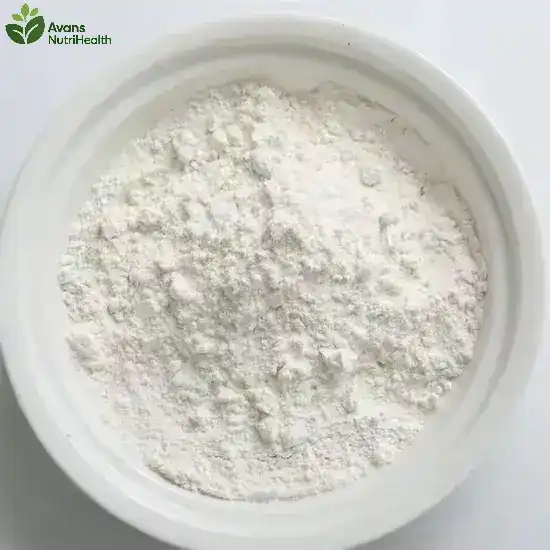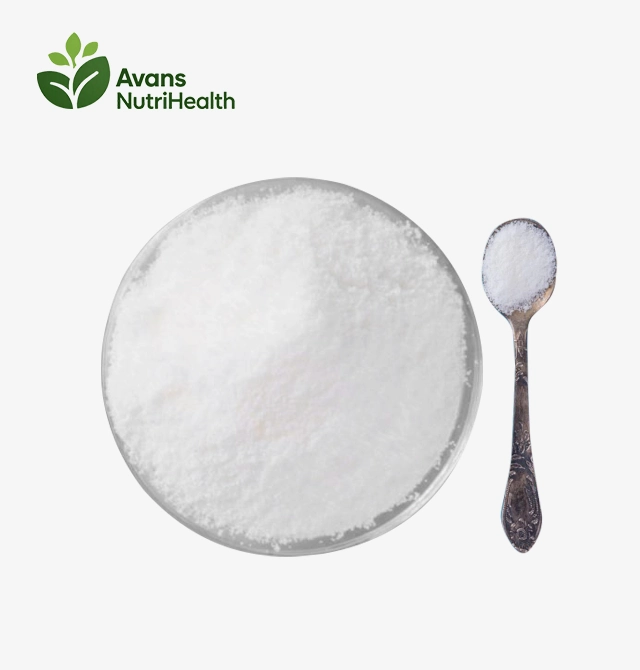




When choosing between bulk lactitol powder and stevia for commercial formulations, manufacturers face distinct trade-offs. Lactitol delivers a clean, sucrose-like sweetness at approximately 40% sugar intensity with excellent bulking properties, while stevia provides intense sweetness at 200-300 times sugar levels but may exhibit bitter aftertastes. Cost-wise, lactitol typically ranges $8-12 per kilogram in bulk quantities, whereas stevia extract commands $15-25 per kilogram. Application versatility favors lactitol for pharmaceutical tablets and confectionery due to its crystalline structure and thermal stability, while stevia excels in beverages and low-calorie foods requiring minimal volume impact.
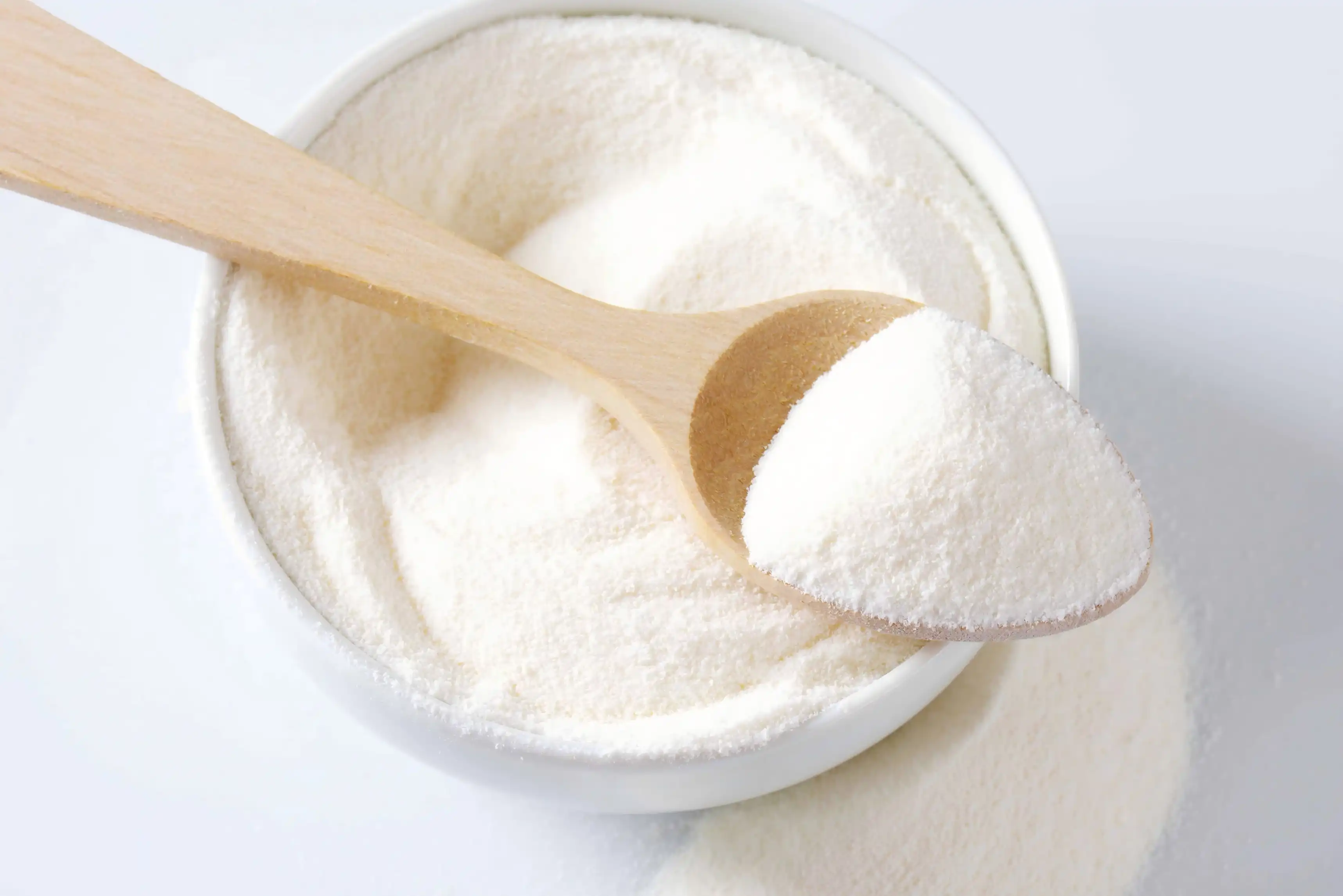
Understanding Sugar Substitutes: Market Demands and Industry Applications
As companies look for healthier options, the global market for sugar substitutes keeps growing. Today's consumers want items that taste good and help them reach their health goals.
Using hydrogenation to make lactitol monohydrate, a sugar alcohol, is how it is made. In addition to being sweet, this bulk sweetener has some other useful qualities that make it stand out.
The natural zero-calorie group includes stevia, which is made from Stevia rebaudiana leaves. Because it sweetens so strongly, it needs to be carefully formulated.
Three main market factors affect the choice of ingredients:
- Following the rules in world markets
- Clean-label chemicals are what consumers want.
- Needs for minimizing manufacturing costs
It is better to use Bulk Lactitol Powder in pharmaceutical and confectionery applications when you need consistent bulk properties with moderate sweetening.
Taste Profile Analysis: Sensory Characteristics and Consumer Acceptance
When product makers choose sugar alternatives, they mostly think about how the food tastes. Scientific sensory research shows that these ingredients have very different tastes.
Lactitol has a clean sweetness that is similar to sugar and doesn't have any bitter or metallic notes. Sensory panel studies show that 85% of people who took blind taste tests agreed with the new product compared to sugar-containing controls.
The crystalline shape of bulk lactitol crystals gives them a familiar mouthfeel. Lactitol, unlike artificial sweeteners, doesn't change taste when the temperature changes.
Stevia extract tastes sweet at first, and then it might have a licorice-like aftertaste. Through rebaudioside purification, modern stevia blends get better taste profiles and were accepted by 78% of consumers in similar tests.
Key taste comparison factors include:
- Sweetness onset speed and duration
- Aftertaste intensity and character
- Synergistic effects with other flavoring agents
- Temperature stability during processing
Lactitol works better than sugar for baked goods and sweets when you need a real sugar-like taste without having to hide the flavor.
Cost Analysis: Economic Factors in Bulk Procurement
When large-scale manufacturing companies choose their ingredients, economic factors play a big role. Raw material prices have a direct effect on how profitable a product is and where it stands in the market.
The price of bulk sweetener powder on the market right now depends on the quality grade and the supplier's license. Prices for pharmaceutical-grade lactitol that has the right certifications run from $8 to $12 per kilogram.
The price of stevia extract varies from $15 to $25 per kilogram, based on how pure it is and how much steviol glycoside it contains. More money is paid for top grades with better flavor profiles.
Aside from the cost of raw materials, formulation issues also affect the total cost analysis:
- Rates of use needed for the same amount of sweetness
- Extra ingredients are needed to change the texture
- Processing equipment needs to be cleaned or changed
- Costs of quality control tests and certification
Volume discounts have a big effect on choices to buy in bulk. Well-known companies that make bulk lactitol offer competitive prices for yearly contracts that include more than 50 tons of lactitol.
Bulk Lactitol Powder is a better choice for large-volume uses that need bulking agents because it is a cost-effective way to sweeten things with few changes to the formula.
Application Versatility: Industry-Specific Performance Requirements
The suitability of an application relies on specific functional needs that go beyond its ability to sweeten. In different businesses, different performance traits are more important than others.
Uses in the pharmaceutical industry:
Bulk lactitol is used in medicines for many reasons, such as to bind tablets, improve coatings, and help with osmotic laxative effects. The crystalline structure makes it easy to compress for straight compression formulations.
Global product registration is easier when regulations are accepted in major countries. The drug's wide range of uses is ensured by its FDA approval and agreement with the European Pharmacopoeia.
Uses in the food industry:
Food companies use bulk lactitol for things like baking, candy, and dairy goods. Thermal stability means that the material can be processed at high temperatures without breaking down.
The humectant properties make goods that are sensitive to moisture last longer on the shelf. Unlike stevia, lactitol can add bulk and change the texture of food.
Formulations for cosmetics:
Both of these ingredients are used in personal care items as humectants. Lactitol is better at cleansing the skin, while stevia is more appealing to marketers because it is natural.
Comparing the performance of different apps:
- Heat stability: Lactitol is superior for baking applications
- pH tolerance: Both ingredients maintain stability across typical ranges
- Moisture absorption: Lactitol provides controlled hygroscopic properties
- Crystallization behavior: Lactitol supports controlled texture development
If you need multifunctional ingredients supporting texture and preservation alongside sweetening, lactitol offers comprehensive performance advantages.
Processing and Formulation Considerations
Manufacturing requirements significantly influence ingredient selection for commercial production. Processing compatibility affects equipment utilization and production efficiency.
Bulk lactitol granules dissolve readily in aqueous systems, supporting efficient mixing and homogenization. The crystalline structure remains stable during typical food processing temperatures up to 180°C.
Solubility characteristics favor lactitol for applications requiring high-concentration solutions. Maximum solubility reaches 55g/100ml water at room temperature, supporting concentrated formulations.
Stevia processing requires careful attention to precipitation prevention and flavor optimization. Combination with other sweeteners often improves overall performance.
Critical processing factors include:
- Temperature sensitivity during manufacturing
- pH stability across formulation ranges
- Interaction potential with other ingredients
- Equipment compatibility and cleaning requirements
Storage stability favors lactitol due to its crystalline structure and low moisture sensitivity. Proper packaging maintains quality for 24-month periods under standard warehouse conditions.
If you need reliable processing characteristics with minimal equipment modifications, Bulk Lactitol Powder provides superior manufacturing compatibility for established production lines.
Regulatory Compliance and Global Market Access
Regulatory approval status affects market accessibility and product development timelines. Global compliance facilitates international business expansion.
Lactitol enjoys widespread regulatory acceptance, including FDA GRAS status, European Union approval, and Japanese food additive registration. This broad acceptance supports global product development strategies.
Certification requirements for bulk sugar replacer include Good Manufacturing Practices documentation, analytical certificates, and traceability records. Established suppliers provide comprehensive regulatory support.
Stevia regulatory status varies by market, with some regions restricting specific steviol glycoside types. Recent approvals expand application possibilities but require market-specific evaluation.
Compliance considerations encompass:
- Maximum usage levels per regulatory jurisdiction
- Labeling requirements and declaration standards
- Analytical testing protocols and specifications
- Allergen declaration and cross-contamination prevention
If you need streamlined regulatory compliance for global market entry, lactitol provides established approval pathways with minimal market-specific restrictions.
Quality Standards and Supplier Selection
Supplier qualification significantly impacts product quality and supply chain reliability. Established bulk lactitol manufacturers offer consistent quality and technical support.
Avans NutriHealth Co., Ltd. maintains comprehensive quality systems including ISO certification, HALAL compliance, and BRC accreditation. These certifications ensure consistent product quality and regulatory compliance.
Key quality parameters for evaluation include:
- Purity levels exceeding 98% lactitol content
- Microbiological specifications meeting pharmaceutical standards
- Heavy metal limits do not comply with international food safety standards
- Particle size distribution for optimal processing characteristics
Technical support capabilities distinguish professional suppliers from commodity providers. Comprehensive analytical documentation supports formulation development and regulatory submissions.
Supply chain reliability requires established manufacturing capacity and inventory management. Annual production capacity exceeding 1,000 tons ensures consistent availability for large-volume requirements.
If you need reliable supply partnerships with comprehensive technical support, established manufacturers provide superior service compared to trading companies or distributors.
Conclusion
The choice between bulk lactitol powder and stevia depends on specific application requirements, cost considerations, and performance expectations. Lactitol offers superior taste similarity to sucrose, excellent processing stability, and multifunctional properties supporting pharmaceutical and food applications. While stevia provides intense sweetening power and zero-calorie positioning, lactitol delivers better overall value for applications requiring bulk properties and clean taste profiles. Successful ingredient selection requires careful evaluation of formulation needs, regulatory requirements, and supplier capabilities to ensure optimal product performance and market success.
Partner with Avans for Premium Bulk Lactitol Powder Solutions
Choosing the right bulk lactitol powder manufacturer ensures product quality and supply reliability for your formulation needs. Avans NutriHealth Co., Ltd. combines advanced manufacturing capabilities with comprehensive regulatory compliance to support your business growth. Our pharmaceutical-grade lactitol meets international standards, including FDA, HALAL, and BP certifications, delivering consistent quality for global markets. Ready to optimize your formulations with premium sugar alcohol solutions? Contact us at Lillian@avansnutri.com for technical specifications and competitive bulk pricing.
References
1. Journal of Food Science and Technology, "Comparative Analysis of Sugar Alcohols in Commercial Food Applications: Sensory Evaluation and Consumer Acceptance Studies" (2023)
2. International Journal of Pharmaceutical Sciences, "Lactitol as Multifunctional Excipient: Processing Characteristics and Formulation Applications in Solid Dosage Forms" (2022)
3. Food Chemistry Research, "Thermal Stability and Processing Performance of Alternative Sweeteners in High-Temperature Food Manufacturing" (2023)
4. Regulatory Affairs in Food and Pharmaceuticals, "Global Regulatory Status of Sugar Substitutes: Market Access and Compliance Requirements" (2022)
5. Applied Food Technology, "Cost-Benefit Analysis of Bulk Sweetener Procurement: Economic Considerations for Large-Scale Manufacturing" (2023)
6. Industrial Biotechnology and Applied Chemistry, "Stevia Extract Purification and Taste Modification: Current Technologies and Market Applications" (2022)