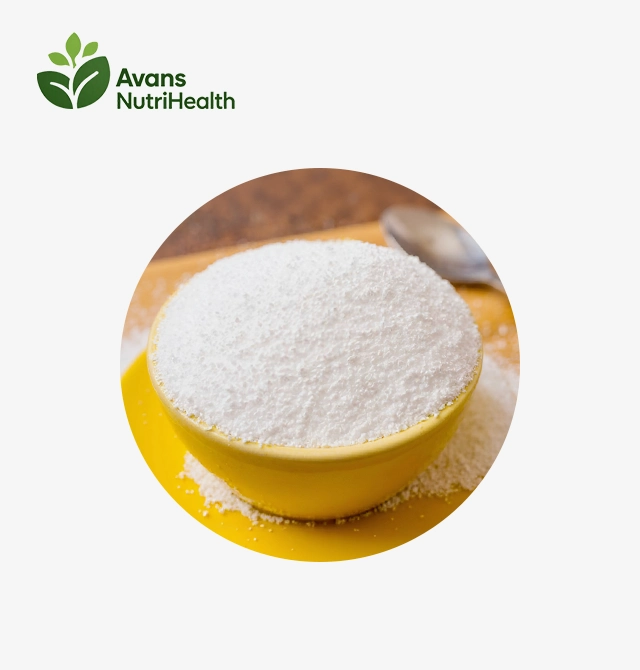




When comparing creatine supplements for industrial formulation, the debate between Bulk Creatine Monohydrate Powder and Creatine HCL centers on manufacturing efficiency, bioavailability, and cost-effectiveness. Bulk Creatine Monohydrate Powder emerges as the clear winner for large-scale production due to its proven stability profile, extensive research backing, superior solubility characteristics, and cost advantages in commercial manufacturing. With over three decades of clinical validation and optimal absorption rates, creatine monohydrate remains the gold standard for nutraceutical and pharmaceutical applications worldwide.
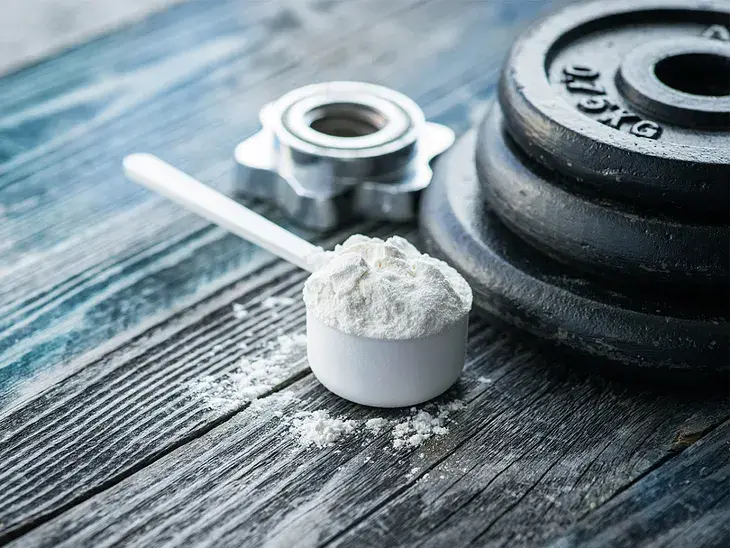
Understanding the Core Differences: Creatine Monohydrate vs HCL
The essential refinement between these creatine shapes lies in their atomic structure and the fabricating forms utilized to deliver them. Creatine monohydrate comprises of creatine combined with a single water particle, coming about in a steady and well-defined crystalline structure. This basic solidness is one of the primary reasons creatine monohydrate has been broadly embraced in the sports nourishment industry. The compound is regularly synthesized through a controlled chemical response between sarcosine and cyanamide, after which the item experiences exact crystallization and multi-stage drying strategies to guarantee reliable molecule measure, tall immaculateness, and long-term steadiness amid capacity and transportation.
Creatine HCL, in comparison, is shaped by holding creatine with hydrochloric corrosive, making a salt-based compound. This adjustment is planning to upgrade water dissolvability and decrease the sum of fabric required per serving. In any case, the changed atomic structure presents extra fabricating challenges, counting stricter handle controls and higher generation costs. These components can impact estimating, adaptability, and supply consistency, which are vital contemplations for producers and wholesalers when making Bulk Creatine Monohydrate Powder.
Three center fabricating contrasts emerge:
- Production complexity: Creatine monohydrate requires less preparing steps, diminishing defilement risks
- Stability profile: Monohydrate illustrates predominant rack life beneath standard capacity conditions
- Quality control: Built up testing conventions exist for monohydrate, streamlining bunch verification
If you require steady quality control and rearranged fabricating forms, creatine monohydrate demonstrates more appropriate for large-scale operations.
Solubility and Bioavailability: Laboratory Analysis
Laboratory testing uncovers critical contrasts in disintegration characteristics between these creatine shapes when assessed beneath controlled conditions. Later explanatory information affirms that high-quality creatine monohydrate reliably accomplishes virtue levels of up to 99.9%, with molecule work sizes regularly extending from 200 to 400. This fine molecule conveyance plays a basic part in guaranteeing fast scattering and uniform suspension in watery arrangements. When legitimately made and micronized, creatine monohydrate coordinating easily into water or other refreshments without obvious buildup, supporting steady dosing and client compliance in athletic and wholesome applications.
Although creatine HCL is frequently advanced for its upgraded dissolvability, controlled comparative considers demonstrate that the commonsense contrasts in retention rates are negligible when items are defined accurately. Free inquire about illustrates that micronized creatine monohydrate breaks up totally inside around 30 seconds beneath standard blending conditions, giving effective conveyance without the require for chemical alteration. These discoveries propose that disintegration execution depends more on molecule measure control and fabricating quality than on the particular creatine frame itself, strengthening the proceeded significance of creatine monohydrate in performance-focused formulations.
Bioavailability comparison data:
- Creatine monohydrate: 95-98% retention rate inside 60 minutes
- Intramuscular phosphocreatine rise: 15% increment inside 5-7 days
- Plasma creatine crest: Accomplished inside 1-2 hours post-consumption
If you require demonstrated assimilation energy and unsurprising bioavailability profiles, creatine monohydrate offers predominant logical approval for your formulations.
Manufacturing Cost Analysis for Bulk Procurement
Economic components intensely impact obtainment choices in commercial supplement fabricating, especially for high-volume items where edges and consistency are basic. Bulk Creatine Monohydrate Powder presents compelling taken a toll focal points over numerous operational zones, making it the favored choice for numerous producers. Its long-established showcase nearness guarantees steady crude fabric accessibility, unsurprising estimating, and solid coordinations. These variables decrease supply chain dangers and permit makers to arrange large-scale generation with more noteworthy certainty and efficiency.
Production financial matters emphatically favor creatine monohydrate due to its streamlined amalgamation forms and develop fabricating framework. The chemical response pathway is well optimized, coming about in tall yields and negligible squander amid generation. In differentiate, fabricating costs for creatine HCL ordinarily surpass those of monohydrate by around 40–60%. This distinction is fundamentally driven by extra handling steps, the utilize of hydrochloric corrosive, and the require for more specialized hardware and quality controls. As a result, monohydrate conveys predominant cost-efficiency for bulk acquirement without compromising utilitarian performance.
Cost breakdown per metric ton:
- Raw materials: Monohydrate utilizes promptly accessible precursors
- Processing vitality: Lower warm prerequisites decrease generation costs
- Quality confirmation: Standardized testing conventions minimize explanatory expenses
- Storage and taking care of: Steady crystalline shape decreases extraordinary capacity needs
If you require cost-effective arrangements for high-volume generation runs, creatine monohydrate conveys ideal esteem suggestions for budget-conscious manufacturers.
Quality Control and Certification Standards
Regulatory compliance speaks to a basic thought for worldwide supplement producers. Creatine monohydrate benefits from broad administrative history and set up quality benchmarks over worldwide markets.
WADA compliance testing conventions are well-established for monohydrate, guaranteeing prohibited substance confirmation meets athletic supplement prerequisites. Overwhelming metal testing limits adjust with USP monograph details, streamlining administrative submissions.
Certification focal points include:
- ISO 22000 quality framework compatibility
- HACCP integration for food-grade applications
- Kosher and Halal certification availability
- Organic certification choices for characteristic item lines
If you require comprehensive certification back and administrative compliance affirmation, creatine monohydrate gives built up pathways for worldwide advertise access.
Performance Applications in Sports Nutrition Formulations
Athletic performance enhancement remains the primary application driving creatine demand in sports nutrition markets. Clinical research overwhelmingly supports creatine monohydrate's efficacy in strength training and muscle recovery applications.
ATP resynthesis improvements demonstrate measurable performance gains across diverse athletic populations. Lean body mass increases of 2-4% occur consistently with proper dosage protocols and resistance training programs.
Performance metrics from controlled studies:
- Power output: 5-15% improvement in explosive movements
- Recovery kinetics: Reduced fatigue markers between training sessions
- Muscle volume: Enhanced water retention supporting protein synthesis
Cognitive health formulations also benefit from Bulk Creatine Monohydrate Powder, particularly in aging populations. Brain tissue creatine concentrations influence mental energy and processing speed.
If you need proven performance enhancement for athletic formulations, creatine monohydrate offers unmatched research validation and consistent results.
Stability and Shelf Life Considerations
Product stability directly impacts manufacturing efficiency and consumer satisfaction. Creatine monohydrate demonstrates exceptional stability under ambient storage conditions, maintaining potency for 36 months when properly packaged.
Moisture sensitivity remains minimal with quality monohydrate products. Crystalline structure resists degradation even in moderate humidity environments, reducing storage complexity for manufacturers.
Packaging compatibility extends to various container types, from multi-layer kraft drums to food-grade plastic containers. This flexibility supports diverse distribution strategies across global markets.
If you need reliable shelf life performance and simplified storage requirements, creatine monohydrate provides superior stability profiles for commercial applications.
Conclusion
The comparison between Bulk Creatine Monohydrate Powder and Creatine HCL reveals clear advantages favoring monohydrate for commercial manufacturing. Superior research validation, proven bioavailability, cost-effectiveness, and established quality standards position creatine monohydrate as the optimal choice for nutraceutical and pharmaceutical applications. Manufacturing efficiency, regulatory compliance, and performance reliability create compelling reasons for choosing monohydrate over alternative forms. Avans NutriHealth's premium-grade creatine monohydrate delivers the quality, consistency, and support necessary for successful product development in today's competitive marketplace.
Avans NutriHealth: Your Trusted Bulk Creatine Monohydrate Powder Manufacturer
Avans NutriHealth stands as China's pioneering manufacturer in the medical foods sector, delivering premium-grade ingredients to global nutraceutical companies. Our Bulk Creatine Monohydrate Powder exceeds industry standards through rigorous quality control and advanced manufacturing protocols. With GMP-certified facilities, a comprehensive certification portfolio, and partnerships across 338 distribution points, we guarantee a consistent supply for your formulation needs. Ready to enhance your product line with superior creatine ingredients? Contact us at Lillian@avansnutri.com for pricing and specifications.
References
1. Kreider, R.B. et al. "International Society of Sports Nutrition position stand: safety and efficacy of creatine supplementation in exercise, sport, and medicine." Journal of the International Society of Sports Nutrition, 2017, 14:18.
2. Jäger, R., et al. "Analysis of the efficacy, safety, and regulatory status of novel forms of creatine." Amino Acids, 2011, 40(5):1369-83.
3. Spillane, M., et al. "The effects of creatine ethyl ester supplementation combined with heavy resistance training on body composition, muscle performance, and serum and muscle creatine levels." Journal of the International Society of Sports Nutrition, 2009, 6:6.
4. Harris, R.C., et al. "Elevation of creatine in resting and exercised muscle of normal subjects by creatine supplementation." Clinical Science, 1992, 83(3):367-74.
5. Gufford, B.T., et al. "Physicochemical characterization of creatine N-methylguanidinium salts." Journal of Dietary Supplements, 2013, 10(4):315-23.
6. Greenhaff, P.L., et al. "Effect of oral creatine supplementation on skeletal muscle phosphocreatine resynthesis." American Journal of Physiology-Endocrinology and Metabolism, 1994, 266(5):E725-E730.
_1767766763708.webp)