




Aluminium stearate powder Suppliers: What Should Buyers Ask?
When sourcing aluminium stearate powder for industrial, cosmetic, or food packaging applications, knowing the right questions to ask a supplier can make or break your procurement outcome. This guide is built for procurement managers, R&D formulators, and supply chain professionals who need verified quality, regulatory compliance, and reliable delivery. Whether you are scaling production or qualifying a new vendor, understanding what separates a trustworthy supplier from a risky one helps you protect both your formulation integrity and your bottom line.
Understanding Aluminium Stearate Powder: Key Facts Buyers Should Know
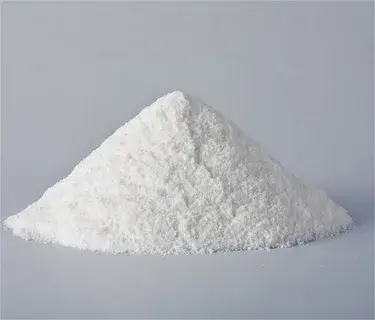
Aluminum Stearate (CAS Number 637-12-7): Aluminum stearate is a metal soap of stearic acid and aluminum salts. The freezing point is between 115°C and 145°C depending on the form. It appears as a white powder. Because of its molecular arrangement, it has good water-repelling, thickening, and lubricating capabilities and is thus beneficial in many sectors.
Chemical Identity and Industrial Relevance
Aluminum stearate is an anti-settling and bodying agent for paints and coatings. It helps pressed powders and color makeup to stay put and to resist water better. It's utilized to keep things going forward and moving smoothly in food packaging and industrial production. Smart purchasing means understanding the grade and purity level you need for your specific end purpose.
Safety, Handling, and Compliance Documentation
All reputable vendors should have Material Safety Data Sheets (MSDS) or Safety Data Sheets (SDS) that comply with GHS regulations. Aluminum stearate is usually considered a low-danger material; however, if you inhale the fine powder at work, you need the correct safety equipment. If you wish to acquire a product, you must verify that the supplier’s product conforms to regulations in the EU (REACH) and in the US (OSHA).
Comparing Aluminium Stearate Powder Options: What Differences Matter?
There are substantial variations between metal soaps, which work in various ways. For example, magnesium stearate or calcium stearate act differently than aluminum stearate. Magnesium stearate is utilized as a lubricant in medicines because it is not water-sensitive and has less shear sensitivity. Calcium stearate . Here is a photo. This is less slippery than aluminum and is typically used to support and release PVC.
Aluminium Stearate vs. Stearic Acid: A Functional Comparison
Stearic acid is the precursor to fatty acids, and aluminium stearate powder is the metal salt of it. There is no way that stearic acid can compare to the salt form when it comes to thickening oils and fuels. For formulators who work with grease systems or oleaginous coatings, this difference has a direct effect on how well they can control viscosity and make sure the coating stays stable.
Purity Grades and Certification Standards
Buyers should carefully study the purity standard document. Industrial-grade aluminum stearate may tolerate a broader range of particle size, while cosmetic-grade material requires tighter restrictions on the levels of heavy metals present, in particular cadmium and lead. Standards that may be examined include certifications like ISO, HACCP, FSSC22000, and Halal. Multiple widely approved certifications of an organization demonstrate systematic quality management, not just one-point compliance.
Critical Supplier Evaluation Criteria for Procurement Managers
You shouldn’t assess a vendor just by the price per kilogram. Procurement managers should use a structured screening procedure when acquiring goods for regulated sectors to examine such items as quality systems, operational capability, and transportation reliability. Supplier qualification pains increase the risk of batch failures, reformulation expense, and regulatory exposure.
Here are the main factors that every buying manager should use to judge bids:
- Certification verification: Confirm that ISO, HACCP, FSSC22000, HALAL, and other relevant certifications are current and independently audited, not self-declared. Request certificate copies and verify expiry dates.
- Factory audit documentation: Request audit reports or third-party inspection summaries. Reputable manufacturers maintain transparent production records and welcome pre-qualification assessments.
- Minimum order quantity (MOQ) flexibility for aluminium stearate powder: Suppliers who accommodate smaller trial orders before bulk commitments reduce your qualification risk. An MOQ structure that scales with your production stage signals a genuinely partnership-oriented manufacturer. Sample and testing protocol: Ask whether the supplier provides pre-shipment samples with a Certificate of Analysis (COA) for each batch. The COA should include purity, particle size distribution, loss on drying, and heavy metals data.
- Logistics and lead time: For US-based buyers sourcing from international manufacturers, understanding standard production lead times, shipping routes, and documentation requirements prevents costly supply disruptions.
Used consistently, these criteria can help purchasing teams to filter the list of eligible partners rather than choose the cheapest. Price is crucial, but a supplier with a quality system that cannot stand up to rigorous scrutiny can cost your organization much more in the long term.
Best Practices for Aluminium Stearate Powder Procurement
Must be aligned with requirements. Your technical team should verify the supplier’s goods will satisfy the particular requirements of your application before you place a purchase order. This may be in terms of particle size, fatty acid composition, moisture content, or surface area. The differences at the specification stage are typically not detected until difficulties start to occur in production.
Open communication with suppliers creates long-term partnerships that provide greater value over time. If your suppliers know your production schedule, your seasonal quality requirements, and your production schedule, they can manage and control your inventory for you. This close proximity in practice makes it simpler for your procurement staff to accomplish their work and ensures that you always have supplies.
Also extremely crucial are protocols for retaining after receipt. Aluminum stearate powder has to be stored away from strong acids, oxidizing agents, and direct dampness. If the storage conditions aren’t correct, the shapes of the particles might alter, which can make the powder less efficient at stiffening or lubricating. Do not open the seal of the material until it is utilized in manufacturing.
Conclusion
To find the best aluminium stearate powder supplier, you need to carefully look at their quality documentation, certifications, technical clarity, and ability to handle logistics. Before committing, buyers are asking specific questions about a supplier to prime themselves to prevent formulation errors, compliance gaps, and supply chain concerns later down the road. The questions in this book provide procurement managers in the cosmetics, food packaging, and industrial production sectors a helpful framework that they can start using right away to make better choices about where to buy materials.
FAQ
1. What is the typical lead time for bulk orders of aluminium stearate powder?
Lead times depend on the manufacturer and the number of orders. Standard amounts can be shipped within 7 to 15 business days from suppliers who have stock on hand. For custom orders or sales with a lot of items, the production wait time could be 3 to 5 weeks. Avans NutriHealth Co., Ltd. keeps stock on hand all the time, so there aren't any delays when urgent purchases need to be made.
2. How do I confirm a supplier meets US regulatory requirements?
For food storage, ask for proof that it meets FDA indirect food contact rules, and for workplace use, ask for safety data sheets that are compatible with OSHA rules. Getting certifications like HACCP and FSSC22000 shows that the food safety management system is aligned. If you can, check these qualifications against the public register of the certifying body.
3. What safety precautions are necessary when handling aluminium stearate powder?
Workers should put on safety goggles, the right gloves, and dust masks or respirators that are rated for fine particle exposure. The powder is not considered to be highly toxic, but breathing in small particles for a long time should be controlled by technical measures like installing local exhaust ventilation. Before starting any handling procedures, you should always check the most recent SDS.
4. Can aluminium stearate be used in HALAL-certified formulations?
Yes, as long as the supplier has a valid HALAL certificate from a well-known certifying body. The approval shows that the raw materials and methods used for processing are in line with HALAL standards.
Partner with Avans for Certified Aluminium Stearate Powder
People in North America, Europe, and the Middle East trust Avans NutriHealth Co., Ltd. to make high-quality aluminium stearate powder. We have white fine powder (CAS 637-12-7) in stock right now. It has ISO, HACCP, FSSC22000, HALAL, and other certifications, and each batch comes with full COA documentation. You can email our team directly at Lillian@avansnutri.com to ask for a sample or talk about your recipe needs.
References
1. Kirk-Othmer Encyclopedia of Chemical Technology. Metal Soaps and Metallic Stearates. Wiley, 2020.
2. European Chemicals Agency (ECHA). REACH Regulation Substance Evaluation Reports. ECHA Publications, 2022.
3. Society of Cosmetic Chemists. Functional Ingredients in Cosmetic Formulation. SCC Journal, 2021.
4. Food and Drug Administration (FDA). Indirect Food Additives: Adjuvants, Production Aids, and Sanitizers. FDA Regulatory Guidance, 2019.
5. ASTM International. Standard Test Methods for Metal Soaps Used in Coatings and Lubricants. ASTM D1638, 2020.
6. International Organization for Standardization. ISO 22000: Food Safety Management Systems — Requirements for Any Organization in the Food Chain. ISO Publications, 2018.